• About
  • Best Baby Names
  • Celebrity Baby Names
  • Celebrity Baby Names – Current
  • Celebrity Baby Names – Past
  • Featured Boys Names
  • Featured Girls Names
  • Featured Unisex Names
  • Links to Name Data
  • Waltzing on the Web

Waltzing More Than Matilda

~ Names with an Australian Bias of Democratic Temper

Waltzing More Than Matilda

Tag Archives: popular names

The Top 100 Baby Names in New South Wales for 2014

26 Sunday Apr 2015

Posted by A.O. in Name Data

≈ 3 Comments

Tags

name trends, popular names

GIRLS

  1. Olivia
  2. Mia
  3. Charlotte
  4. Amelia
  5. Ava
  6. Emily
  7. Chloe
  8. Ruby
  9. Isabella
  10. Sophie
  11. Grace
  12. Ella
  13. Isla
  14. Sophia
  15. Zoe
  16. Sienna
  17. Ivy
  18. Evie
  19. Scarlett
  20. Emma
  21. Lily
  22. Matilda
  23. Hannah
  24. Harper
  25. Zara
  26. Georgia
  27. Lucy
  28. Layla
  29. Abigail
  30. Annabelle
  31. Evelyn
  32. Eva
  33. Isabelle
  34. Jasmine
  35. Willow
  36. Sofia
  37. Audrey
  38. Maddison
  39. Imogen
  40. Jessica
  41. Aria
  42. Mila
  43. Maya
  44. Sarah
  45. Savannah
  46. Alexis
  47. Alice
  48. Stella
  49. Violet
  50. Poppy
  51. Elizabeth
  52. Ellie
  53. Chelsea
  54. Summer
  55. Anna
  56. Claire
  57. Bella
  58. Madison
  59. Victoria
  60. Phoebe
  61. Eloise
  62. Lola
  63. Piper
  64. Indiana
  65. Addison
  66. Holly
  67. Alyssa
  68. Lilly
  69. Eden
  70. Lara
  71. Madeleine
  72. Rose
  73. Ariana
  74. Aaliyah
  75. Paige
  76. Isabel
  77. Lillian
  78. Alexandra
  79. Hayley
  80. Elise
  81. Emilia
  82. Eleanor
  83. Olive
  84. Molly
  85. Eliza
  86. Madeline
  87. Lexi
  88. Penelope
  89. Hazel
  90. Amelie
  91. Harriet
  92. Mackenzie
  93. Jade
  94. Natalie
  95. Elsie
  96. Ayla
  97. Charlie
  98. Indie
  99. Frankie
  100. Samantha
BOYS

  1. Oliver
  2. William
  3. Noah
  4. Jack
  5. James
  6. Lucas
  7. Thomas
  8. Alexander
  9. Ethan
  10. Liam
  11. Max
  12. Jacob
  13. Cooper
  14. Isaac
  15. Lachlan
  16. Harrison
  17. Joshua
  18. Samuel
  19. Benjamin
  20. Mason
  21. Henry
  22. Charlie
  23. Ryan
  24. Jayden
  25. Daniel
  26. Oscar
  27. Harry
  28. Hunter
  29. Leo
  30. Xavier
  31. Elijah
  32. Sebastian
  33. Archie
  34. George
  35. Jackson
  36. Levi
  37. Logan
  38. Aiden
  39. Nicholas
  40. Flynn
  41. Riley
  42. Tyler
  43. Hugo
  44. Matthew
  45. Hudson
  46. Michael
  47. Edward
  48. Zachary
  49. Adam
  50. Joseph
  51. Patrick
  52. Dylan
  53. Nate
  54. Jake
  55. Jaxon
  56. Luke
  57. Kai
  58. Luca
  59. Archer
  60. Ashton
  61. Beau
  62. Jordan
  63. Eli
  64. Connor
  65. Marcus
  66. Ali
  67. Austin
  68. Finn
  69. Gabriel
  70. Lincoln
  71. Christian
  72. Jasper
  73. Nathan
  74. Blake
  75. Chase
  76. Braxton
  77. Louis
  78. Angus
  79. Dominic
  80. Muhammad
  81. Toby
  82. Hayden
  83. Caleb
  84. Bailey
  85. Hamish
  86. Felix
  87. Charles
  88. Anthony
  89. Owen
  90. Aaron
  91. Ryder
  92. David
  93. John
  94. Christopher
  95. Jesse
  96. Phoenix
  97. Darcy
  98. Jonathan
  99. Omar
  100. Maxwell

GIRLS

Biggest Risers
Aria (+25), Maya (+22), Elise (+21 at least), Eleanor (+19 at least), Ariana (+17 at least), Madeline (+17 at least), Lexi (+14 at least), Piper (+14), (Evelyn +13), Harriet (+12 at least)

Biggest Fallers
Mackenzie (-44), Caitlin (-23 at least), Mikayla (-19 at least), Samantha (-17), Eliza, Elsie, Lara and Madison (-16), Gabriella (-12 at least), Lilly (-11)

New
Elise, Eleanor, Madeline, Lexi, Hazel, Natalie, Charlie, Frankie

Gone
Caitlin, Mikayla, Gabriella, Skye, Leah, Daisy, Zahra

BOYS

Biggest Risers
Gabriel (+29), Jordan (+21), George (+20), Nate (+19), Hamish (+16 at least), Jasper (+15), Bailey, Dylan and Hugo (+13), Kai (+12)

Biggest Fallers
Braxton (-25), Christian (-19), Nathaniel (-17 at least), Jonathan (-18), Chase and Hayden (-15), Nathan (-14), Mitchell (-13 at least), Anthony and Caleb (-12)

New
Hamish, Phoenix, Omar, Maxwell

Gone
Nathaniel, Mitchell, Alex

The Waltzing More Than Matilda Top 100 Baby Names of 2014

29 Sunday Mar 2015

Posted by A.O. in Name Data

≈ Comments Off on The Waltzing More Than Matilda Top 100 Baby Names of 2014

Tags

birth notices, popular names, Waltzing More Than Matilda

Like last year, this is a list of names I most commonly saw in birth notices and newspaper stories during 2014, and the numbers are not an absolute tally of sightings of each name but how many times I saw a particular name in a single week. (So for a name to get a tally of 4, I would have seen two examples within the same week, twice in the year).

It doesn’t take variant spellings into account, but lumps together all names that sound alike – even when they are actually separate names, like Amelia and Emilia. I have indicated the most common spellings of each name, although in practice spelling variations could be numerous for almost any name.

Some of the new names on the list were Jasmine, Millie, Daisy, Ariana, and Asha/Asher for girls, while new boys included Jayden, Harvey, John, Cameron, and Jett.

Some girls names already on the list which went up a significant amount were Violet, Aria, Evelyn, April, and Zara, while the girls names that went down the most were Stella, Mikayla, Jessica, Marley, and Hayley. High rising boys included Matthew, Michael, Kayden/Caden, Rhys, and George, while boys names which fell the most were Joshua, Braxton, Jacob, Riley, and Lincoln.

It will be interesting to see which of these follow national trends, and which ones are purely local in nature.

GIRLS

  1. Amelia/Emilia 68
  2. Charlotte 68
  3. Ruby 60
  4. Sophie 58
  5. Olivia 57
  6. Chloe 54
  7. Emily 49
  8. Lily/Lilly 49
  9. Lucy 49
  10. Mia 47
  11. Matilda 46
  12. Ava 44
  13. Isabella 40
  14. Isla 39
  15. Evie 37
  16. Ivy 37
  17. Grace 36
  18. Madison/Maddison 36
  19. Ella 33
  20. Isabelle/Isabel/Isobel 33
  21. Zoe 33
  22. Sophia/Sofia 31
  23. Lila 27
  24. Zara 25
  25. Abigail 23
  26. Georgia 22
  27. Willow 21
  28. Annabelle/Annabel 20
  29. Layla 20
  30. Evelyn 19
  31. Mackenzie 19
  32. Scarlett 19
  33. Emma 18
  34. Sienna 18
  35. Harper 17
  36. Imogen 17
  37. Violet 17
  38. Madeline/Madeleine 16
  39. Poppy 15
  40. Charli/Charlie 14
  41. Addison 13
  42. Hannah 13
  43. Aria 12
  44. Eliza 12
  45. Eloise 12
  46. Elsie 12
  47. Indiana 12
  48. Savannah 12
  49. Holly 11
  50. Alexis 10
  51. Jasmine 10
  52. Pippa 10
  53. Alice 9
  54. Maya 9
  55. Summer 9
  56. Aaliyah 8
  57. April 8
  58. Lola 8
  59. Millie 8
  60. Molly 8
  61. Peyton 8
  62. Alyssa 7
  63. Chelsea 7
  64. Daisy 7
  65. Eden 7
  66. Indie/Indi 7
  67. Abby/Abbie/Abbey 6
  68. Ariana 6
  69. Asha/Asher 6
  70. Audrey 6
  71. Bella 6
  72. Caitlin 6
  73. Eleanor 6
  74. Ellie 6
  75. Gemma 6
  76. Hayley 6
  77. Indigo 6
  78. Leah 6
  79. Maggie 6
  80. Mikayla 6
  81. Piper 6
  82. Sarah 6
  83. Jessica 5
  84. Stella 5
  85. Alana 4
  86. Alicia 4
  87. Allira 4
  88. Amelie 4
  89. Bailey 4
  90. Ebony 4
  91. Elise 4
  92. Esther 4
  93. Frankie 4
  94. Harriet 4
  95. Kate 4
  96. Keira 4
  97. Lacey 4
  98. Laura 4
  99. Maddie 4
  100. Marley 4
BOYS

  1. Jack 122
  2. William 104
  3. Oliver 88
  4. Thomas 63
  5. Lachlan 62
  6. Noah 55
  7. James 54
  8. Jackson/Jaxon 50
  9. Harry 48
  10. Henry 48
  11. Liam 43
  12. Charlie 41
  13. Archie 39
  14. Max 38
  15. Cooper 37
  16. Harrison 34
  17. Mason 33
  18. Nate 33
  19. Lucas 29
  20. Samuel 29
  21. Alexander 27
  22. Angus 27
  23. Oscar 26
  24. Isaac 25
  25. Patrick 24
  26. Louis/Lewis 23
  27. Benjamin 22
  28. George 22
  29. Xavier 21
  30. Ethan 20
  31. Flynn 20
  32. Hudson 20
  33. Levi 20
  34. Hunter 19
  35. Aidan/Aiden 18
  36. Edward 18
  37. Ryan 17
  38. Benjamin 16
  39. Kayden/Caden 16
  40. Logan 16
  41. Archer 15
  42. Finn 15
  43. Hamish 15
  44. Spencer 15
  45. Chase 14
  46. Hugo 13
  47. Koby/Kobe 12
  48. Mitchell 12
  49. Riley 12
  50. Matthew 11
  51. Ryder 11
  52. Tyler 11
  53. Daniel 10
  54. Elijah 10
  55. Jacob 10
  56. Jayden 10
  57. Michael 10
  58. Zac 10
  59. Jake 9
  60. Rhys 9
  61. Ashton 8
  62. Harvey 8
  63. Leo 8
  64. Toby 8
  65. John 7
  66. Kai 7
  67. Austin 6
  68. Beau 6
  69. Blake 6
  70. Callum 6
  71. Cameron 6
  72. Eli 6
  73. Jett 6
  74. Joshua 6
  75. Lincoln 6
  76. Luca 6
  77. Nash 6
  78. Nicholas 6
  79. Owen 6
  80. Sebastian 6
  81. Xander/Zander 6
  82. Zane 6
  83. Brody/Brodie 5
  84. David 5
  85. Fletcher 5
  86. Harley 5
  87. Ollie 5
  88. Alfie 4
  89. Asher 4
  90. Bentley 4
  91. Billy 4
  92. Braxton 4
  93. Dominic 4
  94. Gus 4
  95. Hayden 4
  96. Hugh 4
  97. Jason 4
  98. Joseph 4
  99. Luke 4
  100. Phoenix 4

Top 100 Baby Names in the Australian Capital Territory for 2014

17 Tuesday Mar 2015

Posted by A.O. in Name Data

≈ 1 Comment

Tags

name trends, popular names

GIRLS

  1. Amelia
  2. Olivia
  3. Charlotte
  4. Sophie
  5. Chloe
  6. Grace
  7. Emily
  8. Ruby
  9. Ava
  10. Ella
  11. Isabella
  12. Isla
  13. Zoe
  14. Matilda
  15. Hannah
  16. Mia
  17. Abigail
  18. Lily
  19. Sophia
  20. Lucy
  21. Scarlett
  22. Zara
  23. Eva
  24. Evelyn
  25. Emma
  26. Maya
  27. Maddison
  28. Willow
  29. Isabelle
  30. Ivy
  31. Sienna
  32. Sofia
  33. Alexis
  34. Annabelle
  35. Elizabeth
  36. Eloise
  37. Elsie
  38. Evie
  39. Alice
  40. Anna
  41. Audrey
  42. Claire
  43. Molly
  44. Caitlin
  45. Eleanor
  46. Imogen
  47. Jasmine
  48. Layla
  49. Poppy
  50. Stella
  51. Violet
  52. Ariana
  53. Georgia
  54. Harper
  55. Penelope
  56. Addison
  57. Alexandra
  58. Aria
  59. Edith
  60. Isabel
  61. Sarah
  62. Aaliyah
  63. Bella
  64. Clara
  65. Eliana
  66. Hayley
  67. Holly
  68. Jessica
  69. Josephine
  70. Lara
  71. Lilly
  72. Olive
  73. Phoebe
  74. Rose
  75. Samantha
  76. Zahra
  77. Anastasia
  78. Bonnie
  79. Alise
  80. Heidi
  81. Mackenzie
  82. Madison
  83. Mikayla
  84. Savannah
  85. Victoria
  86. Alyssa
  87. Annika
  88. April
  89. Arabella
  90. Aurora
  91. Chelsea
  92. Elena
  93. Emilia
  94. Indiana
  95. Jade
  96. Laura
  97. Leah
  98. Lyla
  99. Mila
  100. Paige
BOYS

  1. William
  2. Jack
  3. Oliver
  4. Lachlan
  5. Henry
  6. Thomas
  7. James
  8. Lucas
  9. Noah
  10. Cooper
  11. Alexander
  12. Isaac
  13. Samuel
  14. Angus
  15. Ethan
  16. Liam
  17. Max
  18. Oscar
  19. Charlie
  20. George
  21. Harry
  22. Joshua
  23. Sebastian
  24. Blake
  25. Harrison
  26. Leo
  27. Riley
  28. Zachary
  29. Patrick
  30. Daniel
  31. Logan
  32. Jacob
  33. Mason
  34. Ryan
  35. Xavier
  36. Aiden
  37. Elijah
  38. Finn
  39. Hamish
  40. Archer
  41. Benjamin
  42. Flynn
  43. Hugo
  44. Joseph
  45. Louis
  46. Archie
  47. Asher
  48. Beau
  49. Jackson
  50. Levi
  51. Connor
  52. Dylan
  53. Eli
  54. Felix
  55. Hunter
  56. Jasper
  57. Matthew
  58. Tyler
  59. Austin
  60. Caleb
  61. Harvey
  62. Hudson
  63. Michael
  64. Nicholas
  65. Reuben
  66. Charles
  67. Evan
  68. Jake
  69. Jayden
  70. Maxwell
  71. Mitchell
  72. Owen
  73. Toby
  74. Arthur
  75. Bailey
  76. Edward
  77. Elliot
  78. Rafael
  79. Theodore
  80. Vincent
  81. Aaron
  82. Ari
  83. David
  84. Lincoln
  85. Luca
  86. Muhammad
  87. Nathan
  88. Robert
  89. Sonny
  90. Alex
  91. Hayden
  92. Jonathan
  93. Julian
  94. Lewis
  95. Braxton
  96. Chase
  97. Christian
  98. Dominic
  99. Fletcher
  100. Jaxon

GIRLS

Biggest Risers
Maddison (+67), Molly (+64 at least), Caitlin (+59), Sofia (+51), Edith (+48 at least), Isabel (+47 at least), Claire (+47), Jasmine (+44), Clara (+43 at least), Eliana (+42 at least)

Biggest Fallers
Amelie (-54 at least), Eden (-53 at least), Madeleine (-52 at least), Paige (-52), Annabel (-49 at least), Ellie (-47 at least), Phoebe (-44), Summer (-40 at least), Georgia (-36), Asher (-34 at least)

New
Molly, Edith, Isabel, Clara, Eliana, Holly, Lilly, Olive, Zahra, Anastasia, Bonnie, Alise, Madison, Mikayla, Savannah, Aurora, Elena, Emilia, Indiana, Lyla

Gone
Amelie, Annabel, Ellie, Summer, Asher, Leila, Madeline, Neve, Skye, Abby, Amber, Asha, Ashley, Charli, Freya, Milla, Naomi, Natalie, Adele, Alana, Allegra

BOYS

Biggest Risers
Asher (+60 at least), Harvey (+46 at least), Evan (+40 at least), Maxwell (+37 at least), Arthur (+33 at least), Blake (+33), Elliot (+30 at least), Rafael (+29 at least), Theodore (+28 at least), Vincent (+27 at least)

Biggest Fallers
Ashton (-57 at least), Dominic (-52), Jordan (-47 at least), Edward (-44), Adam (-41 at least), Kai (36 at least), Lewis and Nicholas (-36), Benjamin (-32), Hunter (-31)

New
Asher, Harvey, Evan, Maxwell, Arthur, Elliot, Rafael, Theodore, Vincent, Ari, Muhammad, Robert, Sonny, Alex, Jonathan, Julian, Chase, Christian, Fletcher, Jaxon

Gone
Jordan, Adam, Kai, Luke, Marcus, Rory, Hugh, Ryder, Andrew, Arlo, Billy, Brock, Callum, Darcy, Finlay, Heath, Jett, John, Luka, Nate

Note: Due to its very small population size, the Australian Capital Territory’s Top 100 is its full name data for the year. For the same reason, movement up and down the charts can be very volatile.

Waltzing With … Matthew

15 Sunday Mar 2015

Posted by A.O. in Waltzing with ...

≈ 2 Comments

Tags

animal names, Biblical names, classic names, famous namesakes, hebrew names, Irish names, locational names, name history, name meaning, name popularity, names of cats, names of ships, nature names, patriotic names, popular names, saints names

Flinders-with-map-72-dpi

Famous Namesake
Tomorrow it will be the 241st birthday of the English explorer Matthew Flinders, who was the first to circumnavigate Australia.

He’s a historical figure that Australia has taken to its heart, and it’s very difficult not to find him almost immediately endearing. As a schoolboy, he read Robinsoe Crusoe and became enamoured of a desire to go to sea; apparently against all advice, he joined the navy at the age of fifteen. He never lost his love for Defoe’s novel – one of the last letters he ever wrote was to order a copy of the new edition.

Matthew first came to New South Wales in 1795, as midshipman on the Reliance, where he made a good impression as navigator and cartographer, became excellent friends with the ship’s surgeon, George Bass, and gained a black and white cat. Born on the ship, the kitten fell overboard, but was able to swim back and climb a rope to safety. Matthew saw it was intelligent with a strong survival instinct, and named it Trim after the butler in Lawrence Sterne’s Tristram Shandy, because of the cat’s faithful and affectionate nature.

Flinders and Bass made expeditions to Botany Bay and up the Georges River, from Port Jackson to Lake Illawarra, and to Moreton Bay, where their arrival on Coochiemudlo Island is still celebrated each year on Flinders Day.

The daring duo were sent to find a passage from the mainland to Tasmania (then Van Diemen’s Land). The passage they found is named Bass Strait, and its largest island is Flinders Island. Matthew charted all the islands, and he and George Bass were the first to circumnavigate Tasmania.

Matthew’s work gained the attention of the great scientists of the day, especially Sir Joseph Banks, who convinced the Admiralty to send Flinders to chart the entire coastline of New Holland. Matthew was promoted to commander, and given a slightly dilapidated ship called the Investigator (England was at war with France, and the navy was saving the really good ships for fighting).

Flinders wed his childhood friend Ann Chappell while in England (he named Mount Chappell Island in Bass Strait after her). Newly married, but with an expedition to command where women were strictly forbidden, he tried to smuggle Ann onto the Investigator. Sir Joseph Banks found out, and put an immediate stop to it. Ann was left at home: however, Matthew was allowed take Trim on the voyage.

The circumnavigation of Australia started on Cape Leeuwin in Western Australia, and continued eastward across the Great Australian Bight. Flinders ran into French explorer Nicolas Baudin in South Australia; although hostilities had temporarily ceased between England and France, both men thought their countries were still at war, but peacefully exchanged discoveries with each other. Matthew named the place where they met Encounter Bay.

Although circumnavigation was completed, it was not possible for Matthew to chart the entire coast, due to problems with the ship. Once back in Sydney in 1803, the Investigator was judged unseaworthy, and as he was unable to continue his work, Matthew set sail again on a ship called the Porpoise, which only made it as far as the Great Barrier Reef: the place was named Wreck Reef as a result. Flinders made it across open seas back to Sydney in the ship’s cutter, and (still accompanied by Trim), took command of the Cumberland to get home.

The Cumberland was also in poor condition, and Flinders was forced to put in at the Isle de France (now called Mauritius), just three months after Nicolas Baudin had died there. War had broken out with France again a few months previously, but Matthew Flinders thought that being on an important scientific mission, having a French passport, and knowing Nicolas Baudin would afford him diplomatic immunity.

The French governor disagreed, and detained Matthew there for years, even after Napoleon told him to release Flinders. Trim, who proved such a comfort to him, disappeared in mysterious circumstances, and the heartbroken Matthew believed he had been killed and eaten by the island’s slaves (not the first brave explorer to have met this fate, if true).

Finally, Matthew returned to England in 1810, his wife having waited more than nine years to see him again. Now in very poor health after his harsh imprisonment on Mauritius, he worked on completing his atlas.

It was during his voyages that Matthew Flinders began to use the name Australia to refer to the continent he was exploring. He wasn’t the first to use the name, but previously geographers used it for the whole South Pacific region.

Sir Joseph Banks, who had been such an interfering nuisance by not letting Ann accompany her husband Matthew on the Investigator, now turned out to disapprove of the name Australia. Despite Matthew’s objections, his book came out under the title A Voyage to Terra Australis. The final proofs came to him on his death bed, but by then he was unconscious; he died the day after his book was published, having never regained consciousness.

A Voyage to Terra Australis was the first book to use the name Australia for our continent, as Matthew Flinders was sure that there was no other great landmass in the area it could apply to. With his gift for nomenclature, he noted that the name Australia was “more agreeable to the ear” than any other. His chosen name stuck, and it was Governor Lachlan Macquarie who recommended that it be officially adopted, which took place in 1824.

Amongst all the places in Australia which Matthew charted, he never named one after himself, but that has been well and truly remedied, with more than a hundred places bearing the name Flinders – from the Flinders Ranges to Flinders Bay to the suburb of Flinders in Canberra, not to mention Melbourne’s Flinders Street, the Flinders Highway, and Adelaide’s Flinders University. There are more statues of Matthew Flinders in Australia than of any other man, and the only person to outdo him is Queen Victoria.

Even Trim the cat has not been forgotten, as he has a bronze statue at the Mitchell Library in Sydney, while the library has a cafe named after him, and sells a wide variety of Trim-related merchandise at their gift shop. Author Bryce Courtenay wrote a novel called Matthew Flinders’ Cat, in memory of the pet that Matthew Flinders called “the best and most illustrious of his race … and best of creatures … ever the delight and pleasure of his fellow voyagers”.

Name Information
Matthew is the English form of Matthaios, the Greek form of the Hebrew name Matityahu, meaning “gift of Yahweh”, and almost always translated as “gift of God”.

The name became common because of the Apostle Matthew. Matthew was one of the first to join Jesus’ ministry, and is described in the New Testament as a publican. In Roman times, this meant a public contractor, who was responsible for collecting duties and taxes. It’s possible that Matthew collected the taxes of the Hebrews on King Herod’s behalf.

Publicans were very unpopular – not only because nobody likes paying taxes, but because they were seen as traitors collaborating with the Roman Empire. It’s significant that Jesus chose a publican as one of his followers, because it suggests he was actively seeking out people on the fringes of Hebrew society, and those despised by others.

The New Testament mentions a tax collector named Levi who was called to join Jesus, and it is tempting to think that Levi and Matthew were the same person, but this is never made explicit. If so, he may have been born Levi, and taken (or been given) the name Matthew to symbolise his new life.

According to Christian tradition, Matthew was the author of The Gospel of Matthew; as a publican, he would probably have been literate enough to have written it. However, most modern scholars believe that the Gospel was written later, by someone who strove to emphasise that Jesus was part of Jewish tradition. This makes it seem as if it may have been written for a Jewish Christian community, to ensure that their Jewish laws were not lost in a church that was gradually losing touch with its Hebrew roots. It’s possible such a community would have venerated Matthew as a leader of a former generation, and kept records of his teachings and stories.

Tradition says that Matthew preached to Jewish communities in Judea, before travelling through other countries of the Middle East and eastern Europe: so many conflicting countries are mentioned that one wonders if he ever left Judea at all. He is regarded as a martyr, although no specific martyrdom is given for him, and many doubt this belief. Saint Matthew is the patron of accountants, bankers, tax collectors, and public servants (all important jobs which still don’t make you very popular).

Matthew has been in use as a name since the Middle Ages, and in Ireland has been used to Anglicise the Irish name Mathúin, meaning “bear”.

Never out of common use in the post-medieval era, Matthew is a classic which has remained on the charts since Federation, and never been out of the Top 200. It was #89 in the 1900s, and left the Top 100 in the 1910s, reaching its lowest point in the 1940s at #161. It climbed steeply to re-join the Top 100 by the 1960s, and peaked in the 1980s as the #1 name of the decade. It has fallen very gradually since then, and is still in the Top 50. Currently it is #48 nationally, #41 in New South Wales, #56 in Victoria, #55 in Queensland, #35 in Western Australia, #83 in Tasmania, and #55 in the Australian Capital Territory.

Matthew is a popular name in all English-speaking countries, but most popular in Northern Ireland, where it is in the Top 10. Its popularity in Australia is very similar to that in New Zealand and England/Wales.

Matthew is not only a strong, handsome, timeless classic, it honours a man who was daring enough to follow a childhood dream, and courageous enough to sail through seas unknown. He had the determination and tenacity to see through painstaking, detailed scientific work, and endured shipwreck, starvation and attack on his voyage, as well as cruel imprisonment which shortened his life.

Most importantly, he was the man who named us – we could not be Australia without him, making Matthew one of the most Australian names possible for a boy.

POLL RESULT
Matthew received an outstanding approval rating of 92%, making it one of the highest-rated names of 2015. 44% of people thought the name Matthew was okay, and only one person hated it.

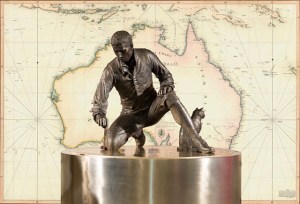
(Photo shows the Matthew Flinders memorial, including his cat Trim, which was unveiled at Australia House last year, and is at Euston Station in London, above where Matthew Flinders is rumoured to be buried. Flinders University helped pay for the statue.)

Top 100 Baby Names in Tasmania For 2014

05 Thursday Mar 2015

Posted by A.O. in Name Data

≈ 1 Comment

Tags

name trends, popular names

GIRLS

  1. Charlotte
  2. Sophie
  3. Ruby
  4. Mia
  5. Isla
  6. Grace
  7. Amelia
  8. Matilda
  9. Olivia
  10. Lucy
  11. Ella
  12. Evie
  13. Ava
  14. Emily
  15. Zoe
  16. Chloe
  17. Isabella
  18. Sophia
  19. Lily
  20. Evelyn
  21. Abigail
  22. Stella
  23. Willow
  24. Esther
  25. Sienna
  26. Layla
  27. Holly
  28. Scarlett
  29. Madison
  30. Elsie
  31. Isabelle
  32. Alexis
  33. Bella
  34. Maddison
  35. Violet
  36. Ellie
  37. Imogen
  38. Harper
  39. Olive
  40. Eliza
  41. Emma
  42. Molly
  43. Georgia
  44. Elizabeth
  45. Hannah
  46. Sarah
  47. Mackenzie
  48. Lola
  49. Addison
  50. Madeline
  51. Phoebe
  52. Savannah
  53. Ariana
  54. Eleanor
  55. Piper
  56. Hazel
  57. Skyla
  58. Lillian
  59. Freya
  60. Jessica
  61. Alice
  62. Frankie
  63. Ivy
  64. Daisy
  65. Annabelle
  66. Poppy
  67. Tilly
  68. Aria
  69. Rose
  70. Summer
  71. Eden
  72. Maggie
  73. Billie
  74. Eva
  75. Indiana
  76. Heidi
  77. Millie
  78. Mikayla
  79. Amber
  80. Brooke
  81. Lilly
  82. Josie
  83. Nevaeh
  84. Bonnie
  85. Claire
  86. Zoey
  87. Isabel
  88. Mila
  89. Taylor
  90. Josephine
  91. Claudia
  92. Amy
  93. Anna
  94. Eve
  95. Audrey
  96. Samantha
  97. Chelsea
  98. Lexi
  99. Eloise
  100. Mabel
BOYS

  1. Oliver
  2. Jack
  3. William
  4. Mason
  5. Thomas
  6. Lachlan
  7. Max
  8. Logan
  9. Noah
  10. Charlie
  11. Jacob
  12. Harrison
  13. Henry
  14. Ethan
  15. Jackson
  16. Samuel
  17. Cooper
  18. Liam
  19. Xavier
  20. George
  21. Harry
  22. Nate
  23. Edward
  24. Eli
  25. Benjamin
  26. Lucas
  27. Riley
  28. Hunter
  29. Hudson
  30. Toby
  31. James
  32. Lincoln
  33. Archie
  34. Alexander
  35. Elijah
  36. Felix
  37. Flynn
  38. Angus
  39. Levi
  40. Oscar
  41. Bailey
  42. Caleb
  43. Archer
  44. Leo
  45. Blake
  46. Patrick
  47. Ryan
  48. Seth
  49. Hamish
  50. Sebastian
  51. Zachary
  52. Daniel
  53. Jayden
  54. Lewis
  55. Joshua
  56. Finn
  57. Fletcher
  58. Jaxon
  59. Jake
  60. Tyler
  61. Luca
  62. Joseph
  63. Hugo
  64. Ryder
  65. Chase
  66. Dylan
  67. Owen
  68. Robert
  69. Isaac
  70. Connor
  71. Hayden
  72. Alex
  73. Jett
  74. Brock
  75. Jasper
  76. Ollie
  77. Cameron
  78. Michael
  79. Christopher
  80. Aiden
  81. Abel
  82. Jesse
  83. Zander
  84. Declan
  85. Sonny
  86. Nathaniel
  87. Darcy
  88. Beau
  89. Carter
  90. Reuben
  91. Maxwell
  92. Arthur
  93. Austin
  94. Spencer
  95. Billy
  96. Hugh
  97. Harley
  98. David
  99. Nicholas
  100. Joel

GIRLS

Biggest Risers
Ariana (+82 at least), Hazel (+79 at least), Skyla (+78 at least), Freya (+76 at least), Frankie (+73 at least), Aria (+67 at least), Rose (+66 at least), Abigail (+53), Lola and Tilly (+46)

Biggest Fallers
Stephanie (-80 at least), Florence (-77 at least), April (-68), Jasmine (-67 at least), Madeleine (-64 at least), Bronte (-60 at least), Lacey (-60), Harriet (-56 at least), Rubi (-49 at least)

New
Ariana, Hazel, Skyla, Freya, Frankie, Aria, Rose, Billie, Mikayla, Taylor, Josephine, Claudia, Anna, Samantha, Lexi

Gone
Stephanie, Florence, Maya, April, Jasmine, Madeleine, Bronte, Harriet, Hayley, Rubi, Zara, Charli, Ebony, Kaylee, Abbie, Abby, Annabel, Charlie, Dakota

BOYS

Biggest Risers
Patrick (+62 at least), Finn (+52 at least), Felix (+51), Leo (+45), Seth (+44), Robert (+40 at least), Luca (+39), Brock (+34 at least), Bailey (+34), Hugo (+33)

Biggest Fallers
Bentley (-56 at least), Charles (-55 at least), Jasper (-53), Luke (-52 at least), Jobe (-45 at least), Jordan (-44 at least), Tyson (-40 at least), Hamish (-38), Mitchell (-36 at least), Parker (-35 at least)

New
Patrick, Finn, Robert, Brock, Ollie, Cameron, Christopher, Aiden, Abel, Zander, Sonny, Carter, Arthur, Austin, Billy, Hugh, Harley, David

Gone
Bentley, Charles, Luke, Jobe, Jordan, Tyson, Mitchell, Parker, Ari, Braxton, Koby, Matthew, Adam, Campbell, Zane, Elliot, Heath, Kai, Kaiden, Louie

Note: Because of their small population size, Tasmania’s Top 100 is most of its complete data. For the same reason, movement up and down the chart is extremely volatile.

Famous Name: Charles

26 Thursday Feb 2015

Posted by A.O. in Famous Names

≈ 6 Comments

Tags

Anglo-Saxon names, Australian idioms, Australian names, Australian slang, classic names, english names, famous namesakes, French names, German names, germanic names, name history, name meaning, nicknames, popular names, royal names, saints names

6126726-3x2-700x467

Famous Namesake
Fifty years ago, on February 12 1965, a bus left Sydney University on a two-week tour of rural New South Wales. Aboard was a group of 29 white and black activists, mostly students, who had been inspired by the American civil rights movement of the 1960s to protest in support of Indigenous civil rights.

The bus trip had been organised by Student Action for Aborigines, and their elected president was Charles “Charlie” Perkins, one of only two Indigenous students at Sydney University, and a huge fan of Dr Martin Luther King. The trip was later dubbed the Freedom Ride, after the famous Freedom Riders of the American civil rights movement, who took buses through the southern states in 1961 to protest racial segregation.

Some members of SAFA saw themselves as on a fact-finding mission to collect evidence of discrimination against Aborigines in rural Australia. At the time, many Australians believed racism was a problem which existed only in South Africa, or in the deep south of the United States. But the Australian Freedom Riders found that apartheid and segregation did not just happen overseas.

The SAFA were shocked to find the poor living conditions of most rural Aborigines, and that hospitals, schools, and churches separated black people from white in some country towns, as did milk bars, pubs, and cinemas. In others, Indigenous Australians were barred from entering swimming pools, clubs, or restaurants, while it was routine for them to be refused service in shops and businesses.

The students made several non-violent protests on their bus trip, and also tried to encourage Indigenous Australians to join their protests and demand better treatment. In Moree they helped Aboriginal children to go swimming at the pool in defiance of the race-based ban against them, and were greeted with hostility by white locals, who threw eggs, rotten fruit, and stones at the protesters while spitting at them. However, they were eventually able to persuade the town council to overturn the ban.

One of the students on the Freedom Ride was also an ABC journalist, and the SAFA had ensured plenty of media coverage on their bus trip – they even made the news internationally. With the events of the Freedom Ride appearing on television, radio, and in newspaper articles, and with the harsh injustice against Australian Aborigines exposed, it was no longer possible for white Australians to claim ignorance of racism in their own country.

Charles Perkins graduated from Sydney University with a Bachelor of Arts in 1966, becoming the first Indigenous Australian man to graduate from university. The following year, as manager of the Foundation for Aboriginal Affairs, he headed the campaign to advocate for a Yes vote in the Referendum which allowed Aboriginal people to be counted in censuses, and for parliament to be allowed to introduce legislation specifically for Aboriginal people. The Referendum passed, with more than 90% of Australians voting Yes.

He became a public servant with the Office of Aboriginal Affairs, and in 1981 was appointed Permanent Secretary of the Department of Aboriginal Affairs – the first Indigenous Australian to become permanent head of a federal government department. He took leadership roles in the Aboriginal community, and, being a former soccer player, was also appointed to key positions in football administration. He received many awards and honours during his lifetime.

On February 18 this year, his daughter Rachel Perkins was among those who took a bus from Sydney University in a re-enactment for the fiftieth anniversary of the Freedom Ride. Along the way, they were greeted warmly by the communities they entered, rather than having stones thrown at them or being run off the road, as a sign of how things have changed.

Although this year’s five-day bus trip could celebrate improvements in the lives of Indigenous Australians, such as being counted in the census and having access to the same education as white people, it also highlighted the disadvantages that many Aborigines continue to suffer, such as poverty, unemployment, health issues, higher rates of incarceration, and covert racism. The work of the Freedom Riders is by no means complete.

Name Information
Charles is the French form of the Germanic name Karal, which in modern German is Karl; it comes from the Germanic karlaz, meaning “a free man”. In Anglo-Saxon English karlaz became ceorl, denoting the lowest rank of freemen – a peasant who was neither a slave nor a serf. Ceorl does seem to have been used as a name in Anglo-Saxon England, even by royalty. By modern times, the word had become churl, understood as “a country person, someone of low social status”, and eventually seen as someone rude, loutish and vulgar – exhibiting what we call churlish behaviour.

The name has become widely known chiefly because of Charles Martel, a powerful Frankish military leader who never held the title of king, but nevertheless ruled Francia (modern France) as Duke and Prince, and divided the kingdom of the Franks between his sons, just as kings did. His grandson was Charles I, otherwise known as Charlemagne (Charles the Great), called “The Father of Europe”. He united western Europe and laid the foundations for modern France and Germany; his kingdom is known as the Carolingian Empire.

Little wonder the name Charles was a favourite in the French monarchy; the last one was Charles X, who ruled in the 19th century until being forced to abdicate and go into exile. This means that Charles remained a French royal name for over a thousand years.

The name Charles became used by British royalty due to the Stuart kings, who were Scottish; Scotland has long had ties with France. Charles I wasn’t a terrifically popular king, and fought against his enemies in the English Civil War. Losing that, he refused to accept the parliament’s demand for a constitutional monarchy, and was beheaded for treason. He is regarded as a martyr in Anglicanism.

England became a republic for a few years, until the monarchy was restored with the accession of Charles’ son. Charles II was known as the Merry Monarch for his decadent lifestyle, and although he couldn’t stick the parliament either, he managed to dissolve it without getting his head cut off.

We may get a King Charles III in the near future, although some are of the opinion that Charles is not a suitable name for a modern king. The first two Charleses were anti-parliament and resisted a constitutional monarchy, while Charles II is considered to have lived an “immoral” life that we now expect kings not to emulate. (Maybe the spaniels are also an issue). Prince Charles could rule under any of his names, and a popular belief is that he will choose to take the throne as George VII.

There are quite a number of saints named Charles, and several religious leaders, such as Charles Wesley, who co-founded the Methodist Church, and Charles Spurgeon, a famous Baptist preacher.

Famous people from Australian history include explorer Captain Charles Sturt; naval officer Sir Charles Fremantle, after whom the city of Fremantle is named; Charles La Trobe, first Lieutenant-Governor of Victoria; Sir Charles Menzies, founder of the city of Newcastle; astronomer and pioneering meteorologist Charles Todd; Charles Harpur, our first real poet; Sir Charles Kingsford Smith, World War I flying ace and pioneer aviator; Antarctic explorer Charles Laseron; distinguished film-maker Charles Chauvel; artist Charles Blackman; and brilliant neurosurgeon Charles “Charlie” Teo.

Charles is a classic name which has never left the charts, and barely been out of the Top 100. It was #7 in the 1900s, and reached its lowest point in the 1980s at #116. It was back on the Top 100 by the following decade, and since then its position has been fairly stable. In 2013, it was #81 nationally, #81 in New South Wales, #88 in Victoria, #85 in Queensland, #53 in Tasmania, and #86 in the Australian Capital Territory.

With Charles, you get a handsome, elegant classic and a solid, traditional name. Its history takes you back to European royalty, and Charles still feels regal and noble. However, lest the name feel too stiff and formal, it has a number of relaxed, casual nicknames.

Charlie is a popular name in its own right, while the older-style Chas is familiar from comedian Chas Licciardello. The vintage nickname Chilla, which appears to be uniquely Australian, is perhaps best known from 1950s Olympic athlete “Chilla” Porter. The American nicknames Chip and Chuck are rarely used here, probably because they mean “French fry” and “vomit” respectively in Australian English.

POLL RESULTS
Charles received an excellent approval rating of 82%, making it one of the top-rated names of 2015. People saw the name Charles as strong and handsome (18%), a name with history and substance (17%), and formal and elegant (15%). 16% of people thought the nickname Charlie was cute. However, 9% thought the name was too stuffy and old-fashioned. Only one person was bothered by the linguistic connection to the word churlish, and only one person thought the nickname Charlie was silly and childish.

(Picture shows Charles Perkins on the “Freedom Ride bus trip; photo from National Geographic)

Top Baby Names in Queensland for 2014

23 Monday Feb 2015

Posted by A.O. in Name Data

≈ 2 Comments

Tags

name trends, popular names

GIRLS

  1. Olivia
  2. Charlotte
  3. Mia
  4. Ruby
  5. Sophie
  6. Ava
  7. Emily
  8. Amelia
  9. Chloe
  10. Isabella
  11. Ella
  12. Grace
  13. Isla
  14. Sophia
  15. Ivy
  16. Willow
  17. Sienna
  18. Harper
  19. Lily
  20. Matilda
  21. Scarlett
  22. Abigail
  23. Lucy
  24. Hannah
  25. Evie
  26. Zoe
  27. Layla
  28. Emma
  29. Georgia
  30. Isabelle
  31. Evelyn
  32. Maddison
  33. Summer
  34. Savannah
  35. Annabelle
  36. Aria
  37. Lilly
  38. Imogen
  39. Zara
  40. Eva
  41. Alexis
  42. Jasmine
  43. Elizabeth
  44. Mila
  45. Madison
  46. Audrey
  47. Mackenzie
  48. Stella
  49. Alice
  50. Piper
  51. Poppy
  52. Violet
  53. Ellie
  54. Sofia
  55. Chelsea
  56. Holly
  57. Bella
  58. Jessica
  59. Addison
  60. Paige
  61. Molly
  62. Maya
  63. Eden
  64. Sarah
  65. Phoebe
  66. Peyton
  67. Eloise
  68. Anna
  69. Heidi
  70. Claire
  71. Lacey
  72. Ariana
  73. Indiana
  74. Hayley
  75. Alyssa
  76. Isabel
  77. Eleanor
  78. Lara
  79. Charlie
  80. Amber
  81. Indie
  82. Elsie
  83. Rose
  84. Ayla
  85. Pippa
  86. Nevaeh
  87. Jade
  88. Aaliyah
  89. Frankie
  90. Brooklyn
  91. Bonnie
  92. Olive
  93. Penelope
  94. Madeleine
  95. Lillian
  96. Skye
  97. Alexandra
  98. Madeline
  99. Lola
  100. Gabriella
  101. Indigo
BOYS

  1. Oliver
  2. William
  3. Jack
  4. Noah
  5. Harrison
  6. Thomas
  7. Hunter
  8. Cooper
  9. Lucas
  10. James
  11. Samuel
  12. Lachlan
  13. Mason
  14. Liam
  15. Ethan
  16. Henry
  17. Alexander
  18. Levi
  19. Max
  20. Hudson
  21. Elijah
  22. Jackson
  23. Charlie
  24. Xavier
  25. Benjamin
  26. Jacob
  27. Riley
  28. Joshua
  29. Archer
  30. Leo
  31. Eli
  32. Harry
  33. Ryan
  34. Flynn
  35. Lincoln
  36. Isaac
  37. Tyler
  38. Blake
  39. Archie
  40. Jaxon
  41. Oscar
  42. Nate
  43. Carter
  44. Connor
  45. Braxton
  46. Patrick
  47. Chase
  48. Jayden
  49. Hayden
  50. Sebastian
  51. George
  52. Jake
  53. Luke
  54. Matthew
  55. Daniel
  56. Joseph
  57. Kai
  58. Michael
  59. Finn
  60. Caleb
  61. Theodore
  62. Logan
  63. Aiden
  64. Edward
  65. Parker
  66. Luca
  67. Austin
  68. Hugo
  69. Ashton
  70. Beau
  71. Bailey
  72. Dylan
  73. Zachary
  74. Louis
  75. Seth
  76. David
  77. Ryder
  78. Angus
  79. Hamish
  80. Nathaniel
  81. Dominic
  82. Nicholas
  83. Declan
  84. Jett
  85. Charles
  86. Jasper
  87. Jordan
  88. Toby
  89. Phoenix
  90. Harvey
  91. Owen
  92. Fletcher
  93. Mitchell
  94. Alex
  95. Jaxson
  96. Jai
  97. Tyson
  98. Nathan
  99. Harley
  100. John

GIRLS

Biggest Risers
Molly (+33), Heidi (+31), Ariana (+30 at least), Eleanor (+25 at least), Isabel (+21), Elsie (+20 at least), Lara (+20), Anna and Evelyn (+19)

Biggest Fallers
Lola (-34), Abby (-25 at least), Indigo and Lillian (-24), Hayley and Nevaeh (-23), Samantha (-19 at least), Madeleine (-18), Amity (-17 at least)

New
Ariana, Eleanor, Elsie, Frankie, Bonnie, Madeline, Gabriella

Gone
Abby, Samantha, Amity, Charlee, April, Indi, Charli, Eliza

BOYS

Biggest Risers
Austin (+32), Carter (+30), David (+25 at least), Luca (+25), Archer (+22), Leo (+20), Edward (+19), Theodore (+18), Finn and Kai (+17)

Biggest Fallers
Mitchell (-22), Nicholas (-20), Joshua (-18), Jesse (-16 at least), Dylan (-16), Zachary (-15), Lewis (-14 at least), Alex (-14), Ryder (-13), Cody (-12 at least)

New
David, Phoenix, Harvey, Fletcher, Jai, Harley

Gone
Lewis, Cameron, Cody, Bentley, Jax, Darcy, Felix, Wyatt

Historical Naming Patterns in the House of Windsor – Part 2: Sisters for Prince George

22 Sunday Feb 2015

Posted by A.O. in Naming Issues

≈ 6 Comments

Tags

famous namesakes, honouring, middle names, popular names, royal names, saints names, sibsets, UK name popularity

queen1

Last week I examined how babies have been named in the House of Windsor, with a look at the factors common to the names of those close to the throne. By following those methods used in the past, I looked at names that could be considered for a brother for Prince George.

In case you can’t be bothered reading the whole post, the basic thing to keep in mind is: names of royals (kings, queens, princes, and princesses) that are currently popular. Now it’s time to look at what a possible sister to Prince George could be called.

Elizabeth #39
There have been several princesses named Elizabeth, five British queens, and one queen of Scotland named Elizabeth; of course Elizabeth II is the current monarch, and her mother’s name was Elizabeth too. Elizabeth is also the middle name of the duchess. Current gossip says that Elizabeth is the name that the Duke and Duchess have already chosen for their baby, should they have a girl, and gained permission from the queen. As 2015 is the year that Queen Elizabeth is set to become the longest-reigning monarch in British history, it would seem like the perfect gesture, especially if the baby arrives on Queen Elizabeth’s birthday. A cute connection is that Lily could be used as the nickname, which is one of Catherine’s favourite flowers.
My rating: nine coronets

Alice #27
A name introduced to the royal family by Queen Victoria, there have been four princesses named Alice. The most recent was an aunt of Queen Elizabeth, who was married to the Governor-General of Australia, and lived here for two years after World War II. She reached the greatest age of anyone yet in the British royal family, passing away at the age of 102. Another was Alice of Battenberg, a great-granddaughter of Queen Victoria who married into the Greek royal family, and became the mother of Prince Philip. Alice is one of Princess Anne’s middle names, and it is also a prominent name in the Spencer family, as Alice Spencer was a patron of the arts. And don’t George and Alice sound adorable together? No wonder this has often been tipped as a possibility.
My rating: eight and a half coronets

Victoria #88
This only became a British royal name with the accession of the teenaged Alexandrina, who used her middle name to rule as Queen Victoria. The last of the Hanoverians, the longest-reigning British monarch so far, and a powerful symbol of the British Empire, Victoria is an eminently suitable royal name which has been handed down to seven princesses – Queen Victoria’s mother was another Princess Victoria. In fact, Alice of Battenberg’s first name was Victoria, making this another possibility to honour the mother of Prince Philip. A popular choice with the bookies, Victoria is said to be one of Catherine’s favourite names (more gossip!). The timing is perhaps not as good as for Elizabeth, with the queen set to overtake Queen Victoria’s record reign next year.
My rating: eight coronets

Eleanor #57
This name was introduced to English royalty by Eleanor of Aquitaine, a wealthy, powerful French duchess who married Henry II, and was the mother of two kings – Richard I, and King John. Other medieval Eleanors married English kings, and the name was handed down to multiple princesses.  This seems a very suitable name for a princess; elegant and restrained with an impeccable royal pedigree. It’s the name of one of Prince William’s Spencer cousins, which isn’t necessarily a drawback – all three of Prince George’s names are shared with Spencer cousins.
My rating: seven and a half coronets

Amelia #1
There have been two British princesses named Amelia – one a daughter of George II, and the other a daughter of George III. The latter Amelia (called Emily) was beautiful and charming, and great hopes for held for her future, but unfortunately she died of measles, and her death devastated the royal family, helping to precipitate her father into madness. There is an Amelia in the Windsor family, a grand-daughter of Prince Edward, Duke of Kent, and one in the Spencer family as well, a cousin of Princes William and Harry, who is considered rather “wild”. There is no historical reason a #1 name would be rejected (the queen’s sister Princess Margaret had the #1 name of her era), and Amelia is in with a genuine chance, although it may come with some baggage.
My rating: six coronets

Sophia #15
This is a truly royal name, because Sophia of Hanover was the mother of King George I, and to be in the line of succession to the British throne, you must be a direct descendant of Sophia. There has been a queen named Sophia (George I’s wife), and three princesses, with the most recent being born in the 18th century. Sophia has been used as a middle name in the royal family fairly often, although I think George and Sophia as royal siblings are a bit much.
My rating: five coronets

Alexandra #102
Queen Alexandra was the wife of Edward VIII; a Danish princess by birth, she was elegant, fashionable, and extremely popular with the British public. There have been a number of princesses named Alexandra, including ones still living – a notable example is Princess Alexandra, who is a cousin of the queen, and one of the most active members of the royal family. It’s a popular royal middle name, and the queen herself has Alexandra as one of her middle names. To me this would be a slightly odd choice, as Alexander is one of Prince George’s middle names
My rating: four coronets

Sophie #9
This is a name from Prince Philip’s family, because Princess Sophie of Greece and Denmark was the Duke of Edinburgh’s sister. Another family connection is that Prince Edward’s wife is named Sophie, and she has reportedly been a good friend to Catherine, as well as a favourite of Queen Elizabeth. Despite not being a name of a British queen or princess, I don’t think Sophie can be entirely ruled out.
My rating: three coronets

Charlotte #21
Queen Charlotte was the wife of George III, and there have been two Princess Charlottes in the British royal family named after her. The last one was Princess Charlotte of Wales, who died young in childbirth, deeply mourned by the public, who had hoped she would one day be queen. Although not used for a princess since, Charlotte is in use as a middle name in the current royal family. Charles Spencer, brother to Diana, Princess of Wales, has a very young daughter named Charlotte Diana, so a bit awkward to use it if the duke and duchess also want Diana as the middle name. Although the name could seem like a nod to Prince Charles, so far the royal family has not used feminised forms of male names to honour men. Charlotte is also the middle name of Pippa Middleton, sister to the duchess; although some people think this makes the name more likely, to me it makes it less likely, because the royals probably don’t want the name to seem as if it is honouring a commoner in-law.
My rating: two coronets

Isabella #8
This was a reasonably common royal name in the Middle Ages, introduced by a beautiful French countess who married King John. Another beautiful queen was the Isabella who married King Edward III; a French princess, she became known as The She-Wolf of France for her intrigues against her husband, which led to him being deposed, and their son Edward III becoming king. For ever after, she has been viewed as a femme fatale figure. This name has also been used in the Spencer family, but its wolfish image is problematic. I think it’s too ornate for a British princess, and the Twilight connection probably isn’t a help.
My rating: one coronet

Matilda #36
This name goes right back the beginning of English royalty, because Matilda of Flanders was the wife of William the Conqueror. There have been three other medieval English queens named Matilda, and one princess who became the Empress Matilda and claimed the English throne during a period of anarchy – she was never proclaimed queen, but rather Lady of the English, and her son was made king when he was old enough. In more modern times, Matilda has been used as a middle name within the royal family. This name would greatly please the royal family’s Australian subjects, although I can’t think of any reason why they would particularly want to please us, unless that toy bilby we gave Prince George was a bigger hit than it seemed at the time. I can’t say this is impossible, but it doesn’t seem at all likely.
My rating: one coronet

Emma #55
This royal name pre-dates the Norman Conquest, because Emma of Normandy married both Ethelred the Unready and Cnut the Great, and was the mother of Edward the Confessor, once regarded as a patron saint of England. She was the first English queen to have a portrait, and was both rich and influential. Despite being way, way back, she is an ancestor of the current royal family. However, I do think this is just too mists-of-timey.
My rating: half a coronet

Edith #164
Edith was a common royal name in Anglo-Saxon times, and one princess named Edith was a saint. Edith of Essex was the wife of Edward the Confessor, and highly influential. While this is very ancient history, Matilda of Scotland, who married Henry II and was the mother of the Empress Matilda, was baptised Edith, only receiving the Norman name Matilda upon her marriage to a Norman king. Although she was a stand-out queen, and the link between modern royalty and the Anglo-Saxon kings, this is a pretty flimsy connection, and regrettably it seems most unlikely, although personally I would love it. So English, so regal, so refined, and quite a fashionable name to boot.
My rating: half a coronet

Maria #83
Maria d’Este was an Italian princess who became queen through marrying James II, but she was known as Queen Mary in England until her husband fled to France during the Glorious Revolution. Too foreign.
My rating: zero coronets

Beatrice #95
This has a long, if sparing, use as a royal name. Beatrice of England was the daughter of Henry III, while Queen Victoria had both a daughter and a grand-daughter called Princess Beatrice. It’s currently in use by Princess Beatrice of York, Prince William’s cousin, and her name was considered an unusual choice at the time. As she is the daughter of the controversial Prince Andrew, I don’t think this is in with any sort of chance.
My rating: zero coronets

Unlike the potential princely names, which had no glaringly obvious choice, there are some very clear winners for a princess. I am tipping Elizabeth, Alice, or Victoria, with some chance of Eleanor or Amelia, and Sophia as an outsider. With solid options on the girls’ list, I can’t see any reason why the royals would need to look beyond it, and feel pretty confident one of the names in this post will be used.

UPDATE: The royal baby was a princess named Charlotte!

POLL RESULTS
People’s favourite choices for a princess were Alice, Victoria, and Eleanor. 10% of people voted for Elizabeth, and 9% voted for Charlotte, the next two most popular choices. Nobody voted for the names Sophie or Maria. 3% of people felt that the royal couple would start a new trend in baby names, which was very far from happening – the chosen name fits in well with all the historical naming patterns identified in the articles.

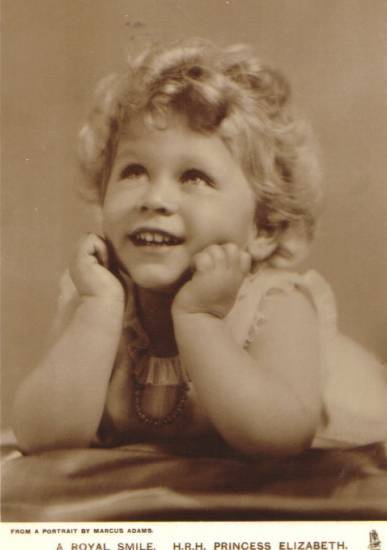
(Picture shows a photo of Queen Elizabeth II as a very young child – could there soon be another Princess Elizabeth in the House of Windsor?)

The Top 50 Baby Names in South Australia for 2014

20 Friday Feb 2015

Posted by A.O. in Name Data

≈ 1 Comment

Tags

name trends, popular names

GIRLS

  1. Charlotte
  2. Grace
  3. Chloe
  4. Olivia
  5. Emily
  6. Ava
  7. Sophie
  8. Amelia
  9. Mia
  10. Isabella
  11. Ella
  12. Isla
  13. Ruby
  14. Scarlett
  15. Harper
  16. Lily
  17. Sophia
  18. Sienna
  19. Hannah
  20. Lucy
  21. Zoe
  22. Ivy
  23. Madison
  24. Zara
  25. Georgia
  26. Imogen
  27. Eva
  28. Matilda
  29. Willow
  30. Isabelle
  31. Layla
  32. Abigail
  33. Evie
  34. Ellie
  35. Emma
  36. Alexis
  37. Alice
  38. Maddison
  39. Mackenzie
  40. Aria
  41. Savannah
  42. Holly
  43. Addison
  44. Evelyn
  45. Jasmine
  46. Lilly
  47. Sofia
  48. Annabelle
  49. Elsie
  50. Poppy
BOYS

  1. Oliver
  2. Jack
  3. William
  4. Lucas
  5. Noah
  6. James
  7. Lachlan
  8. Harrison
  9. Charlie
  10. Liam
  11. Max
  12. Ethan
  13. Thomas
  14. Henry
  15. Mason
  16. Jacob
  17. Alexander
  18. Oscar
  19. Samuel
  20. Riley
  21. Sebastian
  22. Hunter
  23. Isaac
  24. Hudson
  25. Tyler
  26. Xavier
  27. Leo
  28. Archie
  29. Jackson
  30. Harry
  31. Blake
  32. Levi
  33. Daniel
  34. Logan
  35. Benjamin
  36. Patrick
  37. Austin
  38. Jaxon
  39. Joshua
  40. Archer
  41. Elijah
  42. Lincoln
  43. Edward
  44. Cooper
  45. Jordan
  46. Ryan
  47. Ashton
  48. Chase
  49. Nate
  50. George

GIRLS

Biggest Risers
Madison (+21), Ellie (+17 at least), Eva (+13), Harper (+12), Aria (+11 at least)

Biggest Fallers
Summer (-22 at least), Chelsea (-21 at least), Emma (-20), Jessica (-13 at least), Evie (-12)

New
Ellie, Aria, Holly, Addison, Lilly, Sofia, Annabelle, Elsie

Gone
Summer, Chelsea, Jessica, Violet, Eliza, Mila, Alyssa, Audrey

BOYS

Biggest Risers
Archie (+23 at least), Patrick (+15 at least), Leo (+15), Austin (+14 at least), Sebastian (+13)

Biggest Fallers
Joshua (-25), Connor (-21 at least), Mitchell (-18 at least), Cooper (-18), Jayden (-11 at least)

New
Archie, Patrick, Austin, Lincoln, Jordan, Ashton, George

Gone
Connor, Mitchell, Jayden, Caleb, Aiden, Angus, Michael

Waltzing With … Anna

08 Sunday Feb 2015

Posted by A.O. in Waltzing with ...

≈ 1 Comment

Tags

Anglo-Saxon names, aristocratic names, Biblical names, British names, classic names, Disney names, Disney princesses, Etruscan names, European name popularity, famous namesakes, fictional namesakes, Greek names, hebrew names, Irish names, Latin names, mythological names, name days, name history, name meaning, name popularity, names from films, names of cakes, popular names, Roman names, royal names, unisex names

Pavlova RM90_01

Famous Namesake
On Thursday February 12, it will be the 134th birthday of the Russian prima ballerina Anna Pavlova. At a time when the rules of classical ballet were rigidly enforced, the dainty Anna performed in a graceful, romantic style, with less emphasis on precision and acrobatics. The principal artist with the Imperial Ballet and the Ballets Russes, she formed her own company and became the first ballerina to tour as an international star.

It was during one of her tours to Australia and New Zealand in the 1920s that Anna Pavlova would be honoured with the creation of an iconic Australasian dish, and in the process spark a rivalry between the two Trans-Tasman nations, who both claim it as their national dessert.

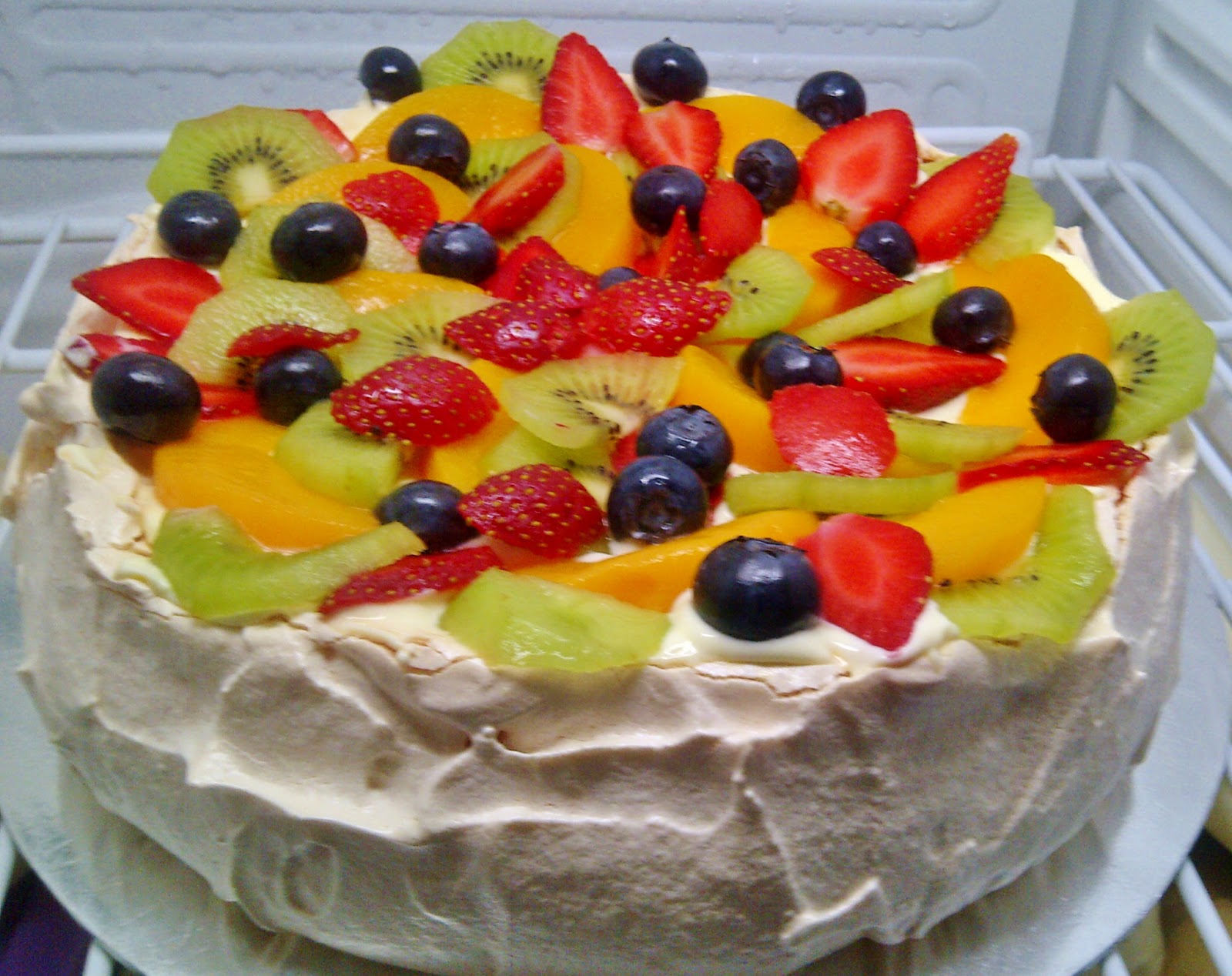
A pavlova is a meringue cake which has a crisp outer shell, and a soft marshmallow-y filling; a delectable, sweet, melt-in-your-mouth treat which is traditionally smothered in whipped cream and fresh summer fruit. Supposedly, the fragile pavlova was inspired by light-as-air Anna Pavlova, with its meringue casing designed to emulate the soft folds of her white ballet skirt.

Both New Zealand and Australia have some rather dubious stories as to how the pavlova first came to be made and named, but indefatigable research by a New Zealand food historian shows that it definitely originated in New Zealand, with a 1929 recipe being found in a New Zealand magazine. Meanwhile, it didn’t make an appearance in Australia until the early 1930s. So New Zealand gets the honours for inventing the pavlova, although it really does feel as if Australia has embraced the pavlova more heartily – it is a favourite choice to celebrate Australia Day.

I always have a pavlova for my Name Day cake: it not only reflects my name, Anna, but is perfect for a hot summery February Name Day. It’s also very appropriate, because my dad is from New Zealand and my mum born in Australia, so it symbolises the two countries coming together.

Name Information
Anna is the Latinised Greek form of the Hebrew name Hannah, meaning “favour, grace, graciousness”, sometimes translated more freely as “God has favoured me”, or “the grace of God”. The New Testament uses the Greek form Anna, in contrast to the Old Testament Hannah.

The Gospel of Luke tells of Anna the Prophetess, an old widow perhaps more than a century in age, who was very devout, and spent all her time fasting and praying. At the Presentation of Jesus in the Temple, celebrated as Candlemas in early February, she immediately recognised the infant Jesus as the redeemer, and gave thanks to God for having been allowed to see Jesus in her lifetime. Despite having a walk-on role in the Gospels, Anna is recognised as a saint.

According to Christian legend, the mother of the Virgin Mary was also named Anna (or Hannah), but she is usually referred to as Saint Anne in order to avoid confusion with Anna the Prophetess. The use of the name Anna was inspired by Saint Anne rather than the aged prophetess.

In classical mythology, Anna was the sister of Dido, Queen of Carthage; she appears in Virgil’s Aeneid. According to the poet Ovid, this Anna was the same being as the Roman goddess Anna Perenna, whose name refers to the “circle of the year” (per annum, in Latin). Her feast day marked the first full moon of the year, and people offered sacrifices so that the year should be successful.

Ovid relates that Anna escaped from Carthage to Italy, where she accidentally drowned and became a river nymph – he translated her name as meaning “perennial stream” (amnis perennis). Ovid says that the goddess was a tiny old woman who baked cakes, and that crude jokes and songs were sung at her festivals. She may have been a mother goddess, and originally Etruscan – if so, her name might be from the Etruscan nanas, meaning “to bear, to beget (a child)”.

Another mythological Anna is the half-sister of King Arthur, usually referred to as Morgause; in many stories she bears Arthur a son, to his downfall. Morgause seems to be a title, meaning “of the Orkneys”, so Anna would have been her personal name.

It may be that she is based on the Irish goddess Anu, sometimes called Ana or Annan. One possibility is that Anu is another name for the mother goddess Danu/Dana, while the war goddess the Morrigan was sometimes called Anand. The British had a winter storm goddess that they referred to as Gentle Annie or Annis, apparently from terror of her hideous powers (this is another link with the name Agnes in Britain). The name is speculated to come from the ancient Celtic anon, meaning “deity, spirit”.

While we’re looking at the name Anna in different cultures, it is worth mentioning that it is also a man’s name, because Anna (or Onna) was an Anglo-Saxon king. One theory is that his name was a nickname for Ethelmund, meaning “noble protection”, or one of the other Ethel- names. Don’t ask me how Anna is short for Ethelmund!

The name Anna has been in common use in the west since the Middle Ages, and has historically been more popular in Eastern Europe and Scandinavia, where it was used by the nobility. It was traditional in the Russian royal family, and the 18th century Empress Anna of Russia was a nasty piece of work. Apart from Anna Pavlova, another famous Russian Anna is the beautiful Anna Karenina, title character of the tragic novel by Leo Tolstoy, considered one of the greatest works of fiction ever written.

Anna is a classic name which has never left the charts. It was #208 in the 1900s, and sunk to its lowest level in the 1920s at #353. After that, it began climbing and joined the Top 100 in the 1950s at #89. The rise into popularity may have been influenced by the 1948 film version of Anna Karenina, starring Vivien Leigh, and helped along by the 1956 film The King and I, with Deborah Kerr in the role of Anna. These movies probably helped give Anna a touch of exoticism.

The King and I was based on the Broadway musical of the same name, in turn based on the book Anna and the King of Siam by Margaret Landon, from the memoirs of Anna Leonowens about her experiences as a royal teacher in Bangkok in the 1860s (Anna Leonowens lived for a few years in Western Australia). Anna and the King was made into a TV show in 1972, and although it flopped in the US, had a decent lifespan on Australian television as re-runs, giving the name Anna a fair amount of exposure during the 1970s.

Anna peaked at the start of the 1980s at #34, then gradually sank into the bottom half of the Top 100. It has not shown any signs of serious decline, but remained relatively stable. In 2013, Anna was #64 nationally, #60 in New South Wales, #81 in Victoria, #87 in Queensland, where it rejoined the Top 100 and was one of its fastest-rising names, #47 in Western Australia, and #71 in the Australian Capital Territory. Preliminary results for 2014 suggest Anna may have improved its position, and is one of Victoria’s fastest-rising names of last year.

One of the factors helping the name along must surely be Princess Anna from the 2013 hit Disney film Frozen, the younger sister of “snow queen” Elsa. Anna is an attractive heroine who is brave and hopeful, with a strong, loving heart. I know many little girls – and even some not so little ones – who adore Anna for being sweet and genuine, with an endearing awkwardness. I wonder how many baby Annas have had their name suggested by an older sister?

Anna is still popular and stable after many decades, and even shows signs of a recent boost. It is a popular name all over the world, but tends to be most popular in central and Eastern Europe, and is the #1 name in Austria. Last year blog readers voted Anna their favourite internationally recognisable girls’ name.

I have found Anna a very easy name to wear. It’s a common name never out of use, but has never been highly popular, so I don’t actually know many people with my name, although everyone has heard of it. Nobody has had any problems spelling it (I learned to write my name as a toddler in about a minute!), and everyone can pronounce it to my satisfaction, even those who don’t speak English. The biggest issue is that it sounds similar to other names, such as Hannah and Emma, which can cause a slight hold-up over the phone.

I can’t pretend that Anna is a very exciting name, but for such a short and simple one, I don’t think it is completely boring either. It’s a palindrome, which tickled me as a child, and it has quite an interesting history – it fascinates me that so many Annas from legend have been elderly women, sometimes with quite a dark side! Its “foreignness” made it popular in the mid twentieth century, and even now I think it has a slight touch of European exoticism: Disney chose it for a Scandinavian princess, after all.

POLL RESULT
Anna received a frankly unbelievable approval rating of 100%, making it the highest-rated girls name in the Waltzing With … category, the highest-rated girls name overall, and the highest-rated overall name of 2015. 46% of people loved the name Anna, and nobody disliked or hated it. I have trouble accepting that I have the perfect name, and can’t help thinking that everyone was too polite to say they didn’t like it!

(Picture shows a pavlova; photo from Just LilDaisy)

← Older posts
Newer posts →

Enter your email address to follow this blog

Categories

Archives

Recent Comments

A.O.'s avatarwaltzingmorethanmati… on Zarah Zaynab and Wolfgang…
Madelyn's avatarMadelyn on Zarah Zaynab and Wolfgang…
JD's avatardrperegrine on Can Phoebe Complete This …
A.O.'s avatarwaltzingmorethanmati… on Rua and Rhoa
redrover23's avatarredrover23 on Rua and Rhoa

Blogroll

  • Appellation Mountain
  • Baby Name Pondering
  • Babynamelover's Blog
  • British Baby Names
  • Clare's Name News
  • For Real Baby Names
  • Geek Baby Names
  • Name Candy
  • Nameberry
  • Nancy's Baby Names
  • Ren's Baby Name Blog
  • Sancta Nomina
  • Swistle: Baby Names
  • The Art of Naming
  • The Baby Name Wizard
  • The Beauty of Names
  • Tulip By Any Name

RSS Feed

  • RSS - Posts

RSS Posts

  • Celebrity Baby News: Melanie Vallejo and Matt Kingston
  • Names from the TV Show “Cleverman”
  • Can Phoebe Complete This Sibset?
  • Zarah Zaynab and Wolfgang Winter
  • Baby, How Did You Get That Name?
  • Celebrity Baby News: Media Babies
  • Celebrity Baby News: Adelaide Crows Babies
  • Celebrity Baby News: Chris and Rebecca Judd
  • Names at Work: Name News From the World of Business and Employment
  • Celebrity Baby News: Sporting Round Up

Currently Popular

  • Celebrity Baby News: Alisa Camplin and Oliver Warner
  • Rare Boys Names From the 1950s
  • Sad Celebrity Baby News (contents may cause distress)
  • Celebrity Baby News: Jacinta Allan and Yorick Piper
  • Celebrity Baby News: Nicki Gemmell and Andrew Sholl

Tags

celebrity baby names celebrity sibsets english names famous namesakes fictional namesakes honouring locational names middle names name combinations name history name meaning name popularity name trends nicknames popular names saints names sibsets surname names twin sets unisex names

Blog at WordPress.com.

Privacy & Cookies: This site uses cookies. By continuing to use this website, you agree to their use.
To find out more, including how to control cookies, see here: Cookie Policy
  • Subscribe Subscribed
    • Waltzing More Than Matilda
    • Join 517 other subscribers
    • Already have a WordPress.com account? Log in now.
    • Waltzing More Than Matilda
    • Subscribe Subscribed
    • Sign up
    • Log in
    • Report this content
    • View site in Reader
    • Manage subscriptions
    • Collapse this bar
 

Loading Comments...