• About
  • Best Baby Names
  • Celebrity Baby Names
  • Celebrity Baby Names – Current
  • Celebrity Baby Names – Past
  • Featured Boys Names
  • Featured Girls Names
  • Featured Unisex Names
  • Links to Name Data
  • Waltzing on the Web

Waltzing More Than Matilda

~ Names with an Australian Bias of Democratic Temper

Waltzing More Than Matilda

Monthly Archives: March 2015

Top 100 Baby Names in the Australian Capital Territory for 2014

17 Tuesday Mar 2015

Posted by A.O. in Name Data

≈ 1 Comment

Tags

name trends, popular names

GIRLS

  1. Amelia
  2. Olivia
  3. Charlotte
  4. Sophie
  5. Chloe
  6. Grace
  7. Emily
  8. Ruby
  9. Ava
  10. Ella
  11. Isabella
  12. Isla
  13. Zoe
  14. Matilda
  15. Hannah
  16. Mia
  17. Abigail
  18. Lily
  19. Sophia
  20. Lucy
  21. Scarlett
  22. Zara
  23. Eva
  24. Evelyn
  25. Emma
  26. Maya
  27. Maddison
  28. Willow
  29. Isabelle
  30. Ivy
  31. Sienna
  32. Sofia
  33. Alexis
  34. Annabelle
  35. Elizabeth
  36. Eloise
  37. Elsie
  38. Evie
  39. Alice
  40. Anna
  41. Audrey
  42. Claire
  43. Molly
  44. Caitlin
  45. Eleanor
  46. Imogen
  47. Jasmine
  48. Layla
  49. Poppy
  50. Stella
  51. Violet
  52. Ariana
  53. Georgia
  54. Harper
  55. Penelope
  56. Addison
  57. Alexandra
  58. Aria
  59. Edith
  60. Isabel
  61. Sarah
  62. Aaliyah
  63. Bella
  64. Clara
  65. Eliana
  66. Hayley
  67. Holly
  68. Jessica
  69. Josephine
  70. Lara
  71. Lilly
  72. Olive
  73. Phoebe
  74. Rose
  75. Samantha
  76. Zahra
  77. Anastasia
  78. Bonnie
  79. Alise
  80. Heidi
  81. Mackenzie
  82. Madison
  83. Mikayla
  84. Savannah
  85. Victoria
  86. Alyssa
  87. Annika
  88. April
  89. Arabella
  90. Aurora
  91. Chelsea
  92. Elena
  93. Emilia
  94. Indiana
  95. Jade
  96. Laura
  97. Leah
  98. Lyla
  99. Mila
  100. Paige
BOYS

  1. William
  2. Jack
  3. Oliver
  4. Lachlan
  5. Henry
  6. Thomas
  7. James
  8. Lucas
  9. Noah
  10. Cooper
  11. Alexander
  12. Isaac
  13. Samuel
  14. Angus
  15. Ethan
  16. Liam
  17. Max
  18. Oscar
  19. Charlie
  20. George
  21. Harry
  22. Joshua
  23. Sebastian
  24. Blake
  25. Harrison
  26. Leo
  27. Riley
  28. Zachary
  29. Patrick
  30. Daniel
  31. Logan
  32. Jacob
  33. Mason
  34. Ryan
  35. Xavier
  36. Aiden
  37. Elijah
  38. Finn
  39. Hamish
  40. Archer
  41. Benjamin
  42. Flynn
  43. Hugo
  44. Joseph
  45. Louis
  46. Archie
  47. Asher
  48. Beau
  49. Jackson
  50. Levi
  51. Connor
  52. Dylan
  53. Eli
  54. Felix
  55. Hunter
  56. Jasper
  57. Matthew
  58. Tyler
  59. Austin
  60. Caleb
  61. Harvey
  62. Hudson
  63. Michael
  64. Nicholas
  65. Reuben
  66. Charles
  67. Evan
  68. Jake
  69. Jayden
  70. Maxwell
  71. Mitchell
  72. Owen
  73. Toby
  74. Arthur
  75. Bailey
  76. Edward
  77. Elliot
  78. Rafael
  79. Theodore
  80. Vincent
  81. Aaron
  82. Ari
  83. David
  84. Lincoln
  85. Luca
  86. Muhammad
  87. Nathan
  88. Robert
  89. Sonny
  90. Alex
  91. Hayden
  92. Jonathan
  93. Julian
  94. Lewis
  95. Braxton
  96. Chase
  97. Christian
  98. Dominic
  99. Fletcher
  100. Jaxon

GIRLS

Biggest Risers
Maddison (+67), Molly (+64 at least), Caitlin (+59), Sofia (+51), Edith (+48 at least), Isabel (+47 at least), Claire (+47), Jasmine (+44), Clara (+43 at least), Eliana (+42 at least)

Biggest Fallers
Amelie (-54 at least), Eden (-53 at least), Madeleine (-52 at least), Paige (-52), Annabel (-49 at least), Ellie (-47 at least), Phoebe (-44), Summer (-40 at least), Georgia (-36), Asher (-34 at least)

New
Molly, Edith, Isabel, Clara, Eliana, Holly, Lilly, Olive, Zahra, Anastasia, Bonnie, Alise, Madison, Mikayla, Savannah, Aurora, Elena, Emilia, Indiana, Lyla

Gone
Amelie, Annabel, Ellie, Summer, Asher, Leila, Madeline, Neve, Skye, Abby, Amber, Asha, Ashley, Charli, Freya, Milla, Naomi, Natalie, Adele, Alana, Allegra

BOYS

Biggest Risers
Asher (+60 at least), Harvey (+46 at least), Evan (+40 at least), Maxwell (+37 at least), Arthur (+33 at least), Blake (+33), Elliot (+30 at least), Rafael (+29 at least), Theodore (+28 at least), Vincent (+27 at least)

Biggest Fallers
Ashton (-57 at least), Dominic (-52), Jordan (-47 at least), Edward (-44), Adam (-41 at least), Kai (36 at least), Lewis and Nicholas (-36), Benjamin (-32), Hunter (-31)

New
Asher, Harvey, Evan, Maxwell, Arthur, Elliot, Rafael, Theodore, Vincent, Ari, Muhammad, Robert, Sonny, Alex, Jonathan, Julian, Chase, Christian, Fletcher, Jaxon

Gone
Jordan, Adam, Kai, Luke, Marcus, Rory, Hugh, Ryder, Andrew, Arlo, Billy, Brock, Callum, Darcy, Finlay, Heath, Jett, John, Luka, Nate

Note: Due to its very small population size, the Australian Capital Territory’s Top 100 is its full name data for the year. For the same reason, movement up and down the charts can be very volatile.

Waltzing With … Matthew

15 Sunday Mar 2015

Posted by A.O. in Waltzing with ...

≈ 2 Comments

Tags

animal names, Biblical names, classic names, famous namesakes, hebrew names, Irish names, locational names, name history, name meaning, name popularity, names of cats, names of ships, nature names, patriotic names, popular names, saints names

Flinders-with-map-72-dpi

Famous Namesake
Tomorrow it will be the 241st birthday of the English explorer Matthew Flinders, who was the first to circumnavigate Australia.

He’s a historical figure that Australia has taken to its heart, and it’s very difficult not to find him almost immediately endearing. As a schoolboy, he read Robinsoe Crusoe and became enamoured of a desire to go to sea; apparently against all advice, he joined the navy at the age of fifteen. He never lost his love for Defoe’s novel – one of the last letters he ever wrote was to order a copy of the new edition.

Matthew first came to New South Wales in 1795, as midshipman on the Reliance, where he made a good impression as navigator and cartographer, became excellent friends with the ship’s surgeon, George Bass, and gained a black and white cat. Born on the ship, the kitten fell overboard, but was able to swim back and climb a rope to safety. Matthew saw it was intelligent with a strong survival instinct, and named it Trim after the butler in Lawrence Sterne’s Tristram Shandy, because of the cat’s faithful and affectionate nature.

Flinders and Bass made expeditions to Botany Bay and up the Georges River, from Port Jackson to Lake Illawarra, and to Moreton Bay, where their arrival on Coochiemudlo Island is still celebrated each year on Flinders Day.

The daring duo were sent to find a passage from the mainland to Tasmania (then Van Diemen’s Land). The passage they found is named Bass Strait, and its largest island is Flinders Island. Matthew charted all the islands, and he and George Bass were the first to circumnavigate Tasmania.

Matthew’s work gained the attention of the great scientists of the day, especially Sir Joseph Banks, who convinced the Admiralty to send Flinders to chart the entire coastline of New Holland. Matthew was promoted to commander, and given a slightly dilapidated ship called the Investigator (England was at war with France, and the navy was saving the really good ships for fighting).

Flinders wed his childhood friend Ann Chappell while in England (he named Mount Chappell Island in Bass Strait after her). Newly married, but with an expedition to command where women were strictly forbidden, he tried to smuggle Ann onto the Investigator. Sir Joseph Banks found out, and put an immediate stop to it. Ann was left at home: however, Matthew was allowed take Trim on the voyage.

The circumnavigation of Australia started on Cape Leeuwin in Western Australia, and continued eastward across the Great Australian Bight. Flinders ran into French explorer Nicolas Baudin in South Australia; although hostilities had temporarily ceased between England and France, both men thought their countries were still at war, but peacefully exchanged discoveries with each other. Matthew named the place where they met Encounter Bay.

Although circumnavigation was completed, it was not possible for Matthew to chart the entire coast, due to problems with the ship. Once back in Sydney in 1803, the Investigator was judged unseaworthy, and as he was unable to continue his work, Matthew set sail again on a ship called the Porpoise, which only made it as far as the Great Barrier Reef: the place was named Wreck Reef as a result. Flinders made it across open seas back to Sydney in the ship’s cutter, and (still accompanied by Trim), took command of the Cumberland to get home.

The Cumberland was also in poor condition, and Flinders was forced to put in at the Isle de France (now called Mauritius), just three months after Nicolas Baudin had died there. War had broken out with France again a few months previously, but Matthew Flinders thought that being on an important scientific mission, having a French passport, and knowing Nicolas Baudin would afford him diplomatic immunity.

The French governor disagreed, and detained Matthew there for years, even after Napoleon told him to release Flinders. Trim, who proved such a comfort to him, disappeared in mysterious circumstances, and the heartbroken Matthew believed he had been killed and eaten by the island’s slaves (not the first brave explorer to have met this fate, if true).

Finally, Matthew returned to England in 1810, his wife having waited more than nine years to see him again. Now in very poor health after his harsh imprisonment on Mauritius, he worked on completing his atlas.

It was during his voyages that Matthew Flinders began to use the name Australia to refer to the continent he was exploring. He wasn’t the first to use the name, but previously geographers used it for the whole South Pacific region.

Sir Joseph Banks, who had been such an interfering nuisance by not letting Ann accompany her husband Matthew on the Investigator, now turned out to disapprove of the name Australia. Despite Matthew’s objections, his book came out under the title A Voyage to Terra Australis. The final proofs came to him on his death bed, but by then he was unconscious; he died the day after his book was published, having never regained consciousness.

A Voyage to Terra Australis was the first book to use the name Australia for our continent, as Matthew Flinders was sure that there was no other great landmass in the area it could apply to. With his gift for nomenclature, he noted that the name Australia was “more agreeable to the ear” than any other. His chosen name stuck, and it was Governor Lachlan Macquarie who recommended that it be officially adopted, which took place in 1824.

Amongst all the places in Australia which Matthew charted, he never named one after himself, but that has been well and truly remedied, with more than a hundred places bearing the name Flinders – from the Flinders Ranges to Flinders Bay to the suburb of Flinders in Canberra, not to mention Melbourne’s Flinders Street, the Flinders Highway, and Adelaide’s Flinders University. There are more statues of Matthew Flinders in Australia than of any other man, and the only person to outdo him is Queen Victoria.

Even Trim the cat has not been forgotten, as he has a bronze statue at the Mitchell Library in Sydney, while the library has a cafe named after him, and sells a wide variety of Trim-related merchandise at their gift shop. Author Bryce Courtenay wrote a novel called Matthew Flinders’ Cat, in memory of the pet that Matthew Flinders called “the best and most illustrious of his race … and best of creatures … ever the delight and pleasure of his fellow voyagers”.

Name Information
Matthew is the English form of Matthaios, the Greek form of the Hebrew name Matityahu, meaning “gift of Yahweh”, and almost always translated as “gift of God”.

The name became common because of the Apostle Matthew. Matthew was one of the first to join Jesus’ ministry, and is described in the New Testament as a publican. In Roman times, this meant a public contractor, who was responsible for collecting duties and taxes. It’s possible that Matthew collected the taxes of the Hebrews on King Herod’s behalf.

Publicans were very unpopular – not only because nobody likes paying taxes, but because they were seen as traitors collaborating with the Roman Empire. It’s significant that Jesus chose a publican as one of his followers, because it suggests he was actively seeking out people on the fringes of Hebrew society, and those despised by others.

The New Testament mentions a tax collector named Levi who was called to join Jesus, and it is tempting to think that Levi and Matthew were the same person, but this is never made explicit. If so, he may have been born Levi, and taken (or been given) the name Matthew to symbolise his new life.

According to Christian tradition, Matthew was the author of The Gospel of Matthew; as a publican, he would probably have been literate enough to have written it. However, most modern scholars believe that the Gospel was written later, by someone who strove to emphasise that Jesus was part of Jewish tradition. This makes it seem as if it may have been written for a Jewish Christian community, to ensure that their Jewish laws were not lost in a church that was gradually losing touch with its Hebrew roots. It’s possible such a community would have venerated Matthew as a leader of a former generation, and kept records of his teachings and stories.

Tradition says that Matthew preached to Jewish communities in Judea, before travelling through other countries of the Middle East and eastern Europe: so many conflicting countries are mentioned that one wonders if he ever left Judea at all. He is regarded as a martyr, although no specific martyrdom is given for him, and many doubt this belief. Saint Matthew is the patron of accountants, bankers, tax collectors, and public servants (all important jobs which still don’t make you very popular).

Matthew has been in use as a name since the Middle Ages, and in Ireland has been used to Anglicise the Irish name Mathúin, meaning “bear”.

Never out of common use in the post-medieval era, Matthew is a classic which has remained on the charts since Federation, and never been out of the Top 200. It was #89 in the 1900s, and left the Top 100 in the 1910s, reaching its lowest point in the 1940s at #161. It climbed steeply to re-join the Top 100 by the 1960s, and peaked in the 1980s as the #1 name of the decade. It has fallen very gradually since then, and is still in the Top 50. Currently it is #48 nationally, #41 in New South Wales, #56 in Victoria, #55 in Queensland, #35 in Western Australia, #83 in Tasmania, and #55 in the Australian Capital Territory.

Matthew is a popular name in all English-speaking countries, but most popular in Northern Ireland, where it is in the Top 10. Its popularity in Australia is very similar to that in New Zealand and England/Wales.

Matthew is not only a strong, handsome, timeless classic, it honours a man who was daring enough to follow a childhood dream, and courageous enough to sail through seas unknown. He had the determination and tenacity to see through painstaking, detailed scientific work, and endured shipwreck, starvation and attack on his voyage, as well as cruel imprisonment which shortened his life.

Most importantly, he was the man who named us – we could not be Australia without him, making Matthew one of the most Australian names possible for a boy.

POLL RESULT
Matthew received an outstanding approval rating of 92%, making it one of the highest-rated names of 2015. 44% of people thought the name Matthew was okay, and only one person hated it.

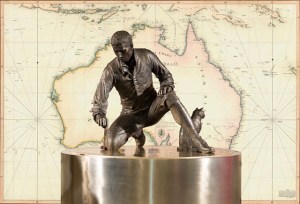
(Photo shows the Matthew Flinders memorial, including his cat Trim, which was unveiled at Australia House last year, and is at Euston Station in London, above where Matthew Flinders is rumoured to be buried. Flinders University helped pay for the statue.)
Olympia and Cassius

13 Friday Mar 2015

Posted by A.O. in Birth Announcements

≈ 4 Comments

Tags

name combinations, sibsets, twin sets

image-main

Twins
Finn Harvey and Archie Quade (Lyla, Noah)

Girls
Adella Rae (Cooper, Amber, Blake, Isabella)
Aponine Zillah Anne
Aurora Scarlet (Seth)
Ava Helena Elizabeth (Riley, Jake)
Billie Lea
Catherine Isabelle
Dajah Pearl
Elly Nina
Eloise Mary Anastacia (Kayla)
Emelia Raine (Xavier)
Freya Aster
Inara
Isla Margaret Rose
Lacie Jay
La’Tarnya
Meadow Azalea
Memphis Storm
Mikaela Devashi
Milly Jane
Monique Ida (Elisha, Alanah-Rose)
Olympia Sophia (Leila, Anais)
Pippa Dulcie Marie (Ava, Bonnie)
Rosealee Summer
Rubiana
Skylar Layne

Boys
Alfie Julian
Ardy Bryce (Amiani, Semia)
Aston Scott
Baden James
Bosco
Carmelo Vasile
Cassius Christopher
Denny Beau (Mac)
James Hyde (Michael, Joshua)
Jax Winston
Jay Maurice (Archie)
Kip
Kobie David Larwood (Broadie, Jordan, Grace)
Lewis Clifford (Helena)
Ollie John (Reef, Amaya)
Patrick Kelly
Paxton Nicholas (Grace, Zara)
Reuben Perrin (Amelia, Eve, Mia)
River Adam (Raka John)
Ronan James Edmer
Ryder Earle (Tobias)
Tamati Eyob Teira
Tyce Andrew (Myla)
Wylie Arthur (Jean)
Yohann Henry

Note: Some of these names are from Bonds Baby Search

(Photo shows children at Blaxland Riverside Park play space at Olympic Park, Sydney)

Famous Name: Quentin Bryce

11 Wednesday Mar 2015

Posted by A.O. in Famous Names, Requested Names

≈ 3 Comments

Tags

adult name changes, Celtic names, english names, famous namesakes, French name popularity, French names, Gaulish names, historical records, honouring, Latin names, locational names, middle names, modern classics, name popularity, Roman names, saints names, Scottish names, stage names, surname names, UK name popularity, unisex names, US name popularity

Defence_of_Darwin_18_Feb_2012crop_Brice__MG_5761

Famous Namesake
It was International Women’s Day on Sunday, so this seems like a good chance to cover the name of a prominent and ground-breaking Australian woman.

Quentin Bryce (nee Strachan) was one of the first women admitted to the Queensland Bar, and became the first woman appointed as a faculty member of the law school where she had studied, at the University of Queensland. As well as her teaching role, she was appointed to the new National Women’s Advisory Council in 1978, becoming its convenor a few years later.

She went on to take up other key roles in women’s issues, such as becoming the first Director of the Queensland Women’s Information Service, and Queensland Director of the Human Rights and Equal Opportunity Commission. She served as Federal Sex Discrimination Commissioner for five years, then became founding chair and CEO of the National Childcare Accreditation Council. A surprise move saw her become principal and CEO of the Women’s College at the University of Sydney, where she was able to combine her academic interests with her skills in administration.

In 2003 she was appointed Governor of Queensland by Premier Peter Beattie, only the second woman to take the role (the first was Leneen Forde, in the 1990s). Peter Beattie’s successor offered her an extension of her five-year term, but by then Dame Quentin had another appointment, and so she was succeeded as Governor of Queensland by Penelope Wensley – the first time a female governor of the state made way for another woman.

In 2008, the Queen approved Quentin’s appointment as Governor-General, on the recommendation of Prime Minister Kevin Rudd, and so she became the 25th Governor-General of Australia, and the first female Governor-General of this country. The decision gained approval on all sides of politics, and was seen as a positive move by commentators. Towards the end of her term, she made headlines after giving the annual Boyer Lecture, when she implied that she looked forward to Australia becoming a republic, and legalising gay marriage.

When her term was completed last year, Quentin Bryce was made a Dame of the Order of Australia, on the recommendation of the current prime minister. Shortly afterwards, Dame Quentin was announced as the chair of a new task force to combat domestic violence in Queensland, so she continues her valuable work on behalf of Australian women.

QUENTIN
French form of the Roman name Quintinus, derived from Quintus, meaning “fifth” in Latin, and traditionally given to a fifth child.

Saint Quentin is a 3rd century saint, and according to legend he was a Roman citizen who went to Gaul as a missionary, where he settled in Amiens in northern France. After performing many miracles, he was tortured and martyred before his body was thrown into the marshes of the Somme. By miraculous means, his body was later discovered and a shrine erected in his honour.

The cult of Saint Quentin was an important one in the Middle Ages, and Saint Quentin’s tomb was a major pilgrimage site, much favoured by the Carolingians. There are many places named after the saint in northern France. Because of the saint, the Normans introduced the name Quentin to England, where it may have contributed to the surname Quentin, although that could also come from Quinton in Warwickshire, meaning “the queen’s settlement” in Old English.

The name Quentin has been in use since medieval times, overwhelmingly as a male name. It is in the Top 500 in the United States, while in England/Wales, 17 baby boys were named Quentin in 2013. The name is most popular in France, where it is in the Top 50. There are not many Quentins in Australian historical records, and they are all male.

Besides Quentin Bryce, there are many famous Australians named Quentin in the media. Quentin Spedding was a journalist in the 1920s and 1930s, while ABC journalists include Quentin Dempster, Quentin McDermott, and Quentin Hull. There’s also film-maker and producer Quentin Kenihan, who first rose to fame as a little boy being interviewed on television.

You might also be reminded of American film director Quentin Tarantino, or British illustrator Quentin Blake. Homosexual author and performer Quentin Crisp changed his name to Quentin (born Denis Pratt), while Quentin Cook changed his name to Norman, and performed under the stage name Fatboy Slim.

These are all men named Quentin, but as a surname, Quentin refers to a queen, and even as a first name, Quentin could be used as a form of the female Roman name Quintina. I only know two people named Quentin, and they are both female, so the name seems very usable for girls to me, in addition to being a splendid choice for a boy.

BRYCE
Surname derived from the male name Brice. Saint Brice was a Bishop of Tours during the Dark Ages. Acccording to legend, he was an orphan rescued by Saint Martin and raised in an monastery as St Martin’s pupil. He took over as bishop from St Martin, but proved rather worldly, so he was exiled to Rome for seven years to have his sins absolved by the pope. When he returned, he was a changed man, and served with such humility that he was venerated as a saint.

He is remembered in England because his feast day is November 13, and on that day in 1002 there was a mass killing of the Danes living in England ordered by King Ethelred the Unready, who was fed up with England being ravaged in Viking raids each year. It is known as the St Brice’s Day Massacre.

The meaning of Brice is not known for sure, although it is assumed to be Celtic. It may come from the Gaulish word briccus, meaning “speckled”. As a surname, Bryce is particularly associated with Scotland, and is understood as meaning “follower of Saint Brice”.

The name is very well known in Australia because of best-selling author Bryce Courtenay, who was born in South Africa – his name was Arthur, but went by his middle name. Before becoming a published writer, Bryce worked in advertising, and headed many award-winning campaigns, including Louie the Fly, The Milkybar Kid, and It’s Time, on behalf of Gough Whitlam. His most famous work is his first novel, The Power of One, which has been made into a film.

Bryce entered the charts in the 1960s, debuting at #274 – its similarity to Bruce is so striking that you might suspect it was a replacement for the name, which was still popular in the ’60s, but falling steeply. Bryce rose into the Top 100 by the 1990s, just as Bryce Courtenay began his career as an author, and left the Top 100 in 2000. It is now around the 200s, so still fairly common.

It’s more popular in the US, where it has fallen much more slowly, and is not far out of the Top 100. It is least common in England/Wales, where 19 boys and 3 girls were named Bryce in 2013 (the second time that Bryce has charted as a female name in the UK, probably because of American actress Bryce Dallas Howard, who has recently been in the Twilight series and The Help).

Modern classic Bryce is still getting reasonable use, along with old favourites like Brock and Brody, and is also on trend, fitting in with fashionable rising choices like Byron. It’s a great way to honour a Bruce and a Bryan simultaneously, and I see this name more commonly in the middle, as it goes well with so many first names.

Two medieval French saints names – but which one do you like best?

POLL RESULTS
Quentin received an approval rating of 51%. 40% of people weren’t keen on the name Quentin, but 21% thought it was a good name.

Bryce received an approval rating of 37%. 53% of people weren’t keen on the name Bryce, although 10% loved it.

Thank you to Brooke for requesting that the name Quentin be featured on Waltzing More Than Matilda, and Dame Quentin Bryce be featured as part of the Famous Name series

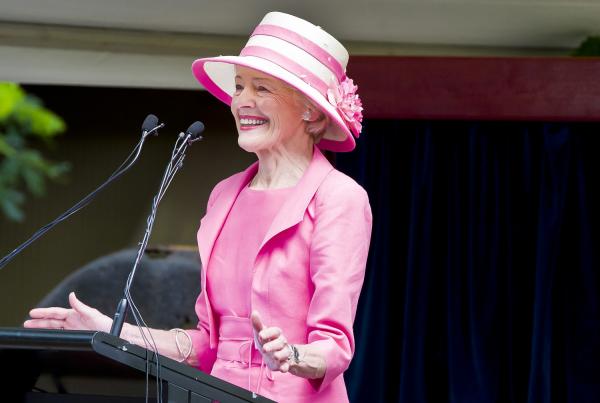
(Picture shows Dame Quentin Bryce opening the Defence Museum in Darwin)

Boys Names from the Top 100 of the 1940s

08 Sunday Mar 2015

Posted by A.O. in Name Themes and Lists

≈ 4 Comments

Tags

Anglo-Saxon names, animal names, aristocratic names, aristocratic surnames, aristocratic titles, Biblical names, Breton names, CB radio voice procedures, classic names, english names, ethnonyms, fictional namesakes, French names, Gaelic names, germanic names, Greek names, Irish names, Latin names, locational names, mythological names, name history, name meaning, name trends, names from television, names from video games, names of flags, nicknames, Norse names, papal names, Roman names, royal names, saints names, Scottish names, slang terms, surname names, US name trends, Welsh names

AUGUST-15-1945-Ern-Hill-the-Dancing-Man-in-Eliza-5741858

Alan
Breton name, common amongst aristocracy, introduced to England by the Normans, where it became one of the most popular names. The meaning is uncertain – the word alan was used in Brittany to mean “fox”, but evidence suggests it originally meant “deer”. The two meanings may both refer to someone with red hair, or to indicate speed. There is also an Irish name Ailin, meaning “little rock”, very similar to the Irish/Scots Gaelic word alainn, meaning “handsome”, while the Welsh Alun may mean either “nurturing” or “wandering”. When the Normans brought Alan with them, the name spread to Scotland as Breton lords gained lands there – perhaps partly because the Scots already had similar names. Another theory is that the name comes from the Alans, Indo-Iranian peoples who settled in parts of France and Brittany in the Middle Ages; their name has the same origin as Aryan, meaning “noble”. There are several saints named Alan. Alan is a classic name which has never left the charts. It was #55 in the 1900s, and peaked in the 1940s at #20, leaving the Top 100 in the 1980s. It has recently had a small rise in popularity, and is around the 300s. Surname variants Allan and Allen have also been popular; Allen is back on the charts, while Allan has disappeared. I have seen a few babies named Alan and Allen lately.

Cecil
English form of the Roman family Caecilius. The Caecilii traced their ancestry back to the mythical figure Caeculus, a son of the smith god Vulcan. According to legend, Caeculus had mastery over fire, and was unharmed by it, although the smoke damaged his eyes, which were smaller than usual – his name means “little blind boy” in Latin. Another story is that the Caecilii were descended from Caecas, a follower of the legendary Roman hero Aeneas: his name means “blind” as well, although it also can be translated as “dark, secret”. Of course both these tales are just folklore. The name Cecil has been used since the Middle Ages, and it was also given in honour of the noble Cecil family, whose surname comes from the name Seisyll, Welsh form of the Roman name Sextilius, from Sextus, meaning “sixth”. Cecil was #18 in the 1900s, and was #89 in the 1940s. It left the Top 100 the following decade, and dropped off the charts in the 1970s. I recently saw a baby Cecil, and I think this name seems pretty hip.

Clifford
English surname, from a village in Herefordshire meaning “ford at the cliff”. The Cliffords are a noble family who originally came over with the Normans, and were prominent in medieval England. One of their members was Rosamund Clifford, “The Fair Rosamund”, who was the mistress of Henry II. Clifford has been used as a first name since at least the 16th century. Clifford was #61 in the 1900s, peaking in the 1910s and 1920s at #59. It was #92 in the 1940s, left the Top 100 the following decade, and was off the charts by the 1990s. This name will remind many parents of the classic children’s book series, Clifford the Big Red Dog. It seems strong and solid.

Desmond
Anglicised form of the Irish surname O’Deasmhumhnaigh, meaning “son of the man from Desmond”. Desmond is the original name for South-West Munster, and means “south Munster”. Munster means “land of Muma”; Muma was a goddess associated with writing. Desmond became prominent as an aristocratic title, as the Earls of Desmond were lords of Ireland, related to royal houses in England and France. Their family name was FitzGerald, and US President J.F. Kennedy is believed to have been descended from them. Desmond has been used as a personal name since the 18th century, and originated outside Ireland. Desmond was #127 in the 1900s, joined the Top 100 in the 1920s, and peaked in the 1940s at #66. It left the Top 100 in the 1960s, and dropped off the charts in the early 2000s. This name is rising in popularity in the US, and I wonder if that could happen here too? Desmond Miles from the Assassin’s Creed video game series, and Desmond from Lost are contemporary namesakes.

Gregory
From the Greek name Gregorios, meaning “watchful”. Because the Latin for “flock” is grex, it became understood as “shepherd”, the idea being that the shepherd would keep watch over his flock. Because of this, it became a popular name for monks and bishops to adopt, and there have been dozens of saints and 16 popes with the name Gregory. Pope Gregory I was known as Gregory the Great, and he is famous for sending Christian missionaries to England to covert the Anglo-Saxons, and for the Gregorian chant, which is attributed to and named after him. Because of him, Gregory has been a common English name since the Middle Ages. Gregory is a classic name which has never left the charts. It was #143 in the 1900s, and joined the Top 100 in the 1930s. It was #34 in the 1940s, and peaked in the 1950s at #7 (when Gregory Peck was big in Hollywood). It didn’t leave the Top 100 until the 1990s, and is currently around the 600s and fairly stable. It may not be stylish, but this is a solid choice.

Maurice
French form of Roman name Mauritius, derived from Maurus, meaning “man from Mauretania”. Mauretania was a region of the Roman Empire where north Africa is today, so the name is often understood as “dark-skinned”, and sometimes translated as “a Moor” (the old name for someone from northern Africa). The name became commonly used because of St Maurice, a 3rd century Egyptian who served in the Roman army. According to legend, he was part of a Christian legion who refused to kill other Christians, and were martyred together. As a Roman soldier, St Maurice was patron of the Holy Roman Emperors and many of the royal houses of Europe, so his name became used by royalty and nobility. Prince Maurice of Battenberg was Queen Victoria’s youngest grand-child; he was killed in action during World War I. Maurice was #71 in the 1900s and peaked in the 1920s at #52. It was #82 in the 1940s, and left the Top 100 the following decade; it dropped off the charts in the 1990s. Maurice has a rather nerdy image, although AFL fans may be reminded of footballing great Maurice Rioli. It can be said muh-REES or MOR-is, with Reese or Morrie as the nicknames.

Norman
Germanic nickname or surname meaning “north man”, referring to Vikings. The Normans were descendants of Vikings who had taken over and settled the region of northern France now known as Normandy. Later a Norman duke named William conquered England, so that the Normans became an important part of British history and culture. The name Norman or Normant was used in England even before the Conquest, and became more common after 1066, although dropped off again in the late Middle Ages. It never went out of use, but became much more popular in the 19th century, due to the Victorian love of anything antique-sounding. In Scotland, it was used to Anglicise the Norse/Gaelic name Tormod, meaning “courage of Thor”. Norman was #19 in the 1900s, and peaked in the 1920s at #14. It was #46 in the 1940s, left the Top 100 in the 1960s, and disappeared from the charts in the 1990s. There are many Australian namesakes, from artist Norman Lindsay to comedian Norman Gunston to pop star Normie Rowe. Many people still remember Norm, from the Life. Be in it fitness campaign, representing a pot-bellied man as “the norm”.

Raymond
The Germanic name Raginmund is composed of ragin, meaning “advice, counsel” and mund, “protection”; it is sometimes translated as “protected by good counsel”. The Normans introduced it to England in the form Reimund, where it became very common in the Middle Ages. It was a traditional name amongst medieval nobility, and there are several medieval saints called Raymond. Never out of use, Raymond is a classic name which has always remained on the charts. It was #33 in the 1900s, and peaked in the 1940s at #9. It left the Top 100 in the 1990s, and hit its lowest point in 2009 at #326. Since then it has improved its popularity ranking, and is currently in the 200s. With Roy- names so fashionable, Ray- names cannot help getting a boost as well, and Raymond is not only a solid classic choice, but one which has recently gained some cachet. Plenty of parents love Raymond!

Roger
From a Germanic name meaning “famous spear”. The Normans introduced the name to England in the form Rogier, where it replaced the Anglo-Saxon form, Hroðgar or Hrothgar, which is found in the poem Beowulf as the name of a Danish king. The name was common in medieval England, heavily used by the aristocracy, and there are a couple of saints named Roger. It has never gone out of common use, even though roger was a slang term for “penis” – possibly because of the spear connection. More recently, roger has become understood as “to have sexual intercourse”. It has often been chosen for comic characters, such as the Beano‘s Roger the Dodger, Roger Ramjet, Roger Rabbit, Roger the alien from American Dad, and Roger the Shrubber from Monty Python’s Holy Grail (not to mention “Welease Woger” in The Life of Brian). Roger was #155 in the 1900s, joined the Top 100 in the 1930s and peaked in the 1940s at #57. It left the Top 100 in the 1970s, and dropped off the charts in the late 2000s, albeit with a sudden burst of use in 2009, when it got up to #384. Although perhaps too many jokes have been made at its expense, the pirate flag of the Jolly Roger, and radio procedure call of Roger give it a rollicking feel.

Stephen
English form of the Greek name Stephanos, meaning “wreath, crown”, to denote the laurel wreath worn by those who achieved victory in contests. In the New Testament, St Stephen was a deacon of the early church who was martyred by stoning. As the first martyr, St Stephen’s name seems apt, and he is often said to have won his martyr’s crown. There are several other saints with the name, and nine popes. The name Stephen became more popular in England after the Norman Conquest, and although it is a common name for royalty in eastern Europe, there has only ever been one English king with the name. Stephen of Blois was a grandson of William the Conqueror who took the throne in controversial circumstances; his rule marked a period of anarchy as he fought the Empress Matilda for the right to rule. In the end he failed, and his name has never been used again for a British king. Never out of common use, Stephen is a classic name which has remained on the charts. It was #72 in the 1900s, was #36 in the 1940s, and peaked in the 1950s at #5. It didn’t leave the Top 100 until the early 2000s, and is currently fairly stable around the 300s. The variant Steven, in use since the Middle Ages, is more popular than Stephen, around the 200s.

POLL RESULTS
People’s favourite names were Desmond, Stephen and Gregory, and their least favourite were Roger, Maurice and Norman.

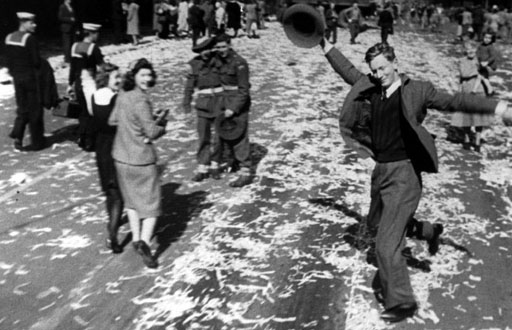
(Picture shows the famous “dancing man” from the joyous celebrations in the streets of Sydney which marked the end of World War II in August 1945)

Celebrity Baby News: Cate Blanchett and Andrew Upton

07 Saturday Mar 2015

Posted by A.O. in Celebrity Baby News

≈ 3 Comments

Tags

celebrity baby names, celebrity sibsets

1425686755725

Actress Cate Blanchett, and her husband Andrew Upton, recently welcomed a daughter by adoption, and her name has been confirmed as Edith Vivian Patricia. Edith joins big brothers Dashiell, aged 13, Roman, aged 10, and Ignatius, aged 6.

Catherine “Cate” Blanchett graduated from NIDA in 1992, and was immediately acclaimed for her work in theatre, winning two awards from the Sydney Theatre Critics. After some work in television, she made her film début in 1997 with a supporting role in Paradise Road, and took the lead role in Oscar and Lucinda, opposite Ralph Fiennes, which was well received. Her first major international role was in the 1998 film Elizabeth, where she played the title role of Queen Elizabeth I. This made her an internationally recognised star, and won her a Golden Globe and a BAFTA. Her profile has been raised by her appearance as Galadriel in Peter Jackson’s blockbusting Lord of the Rings and Hobbit trilogies. Other films she has appeared in include The Talented Mr Ripley, The Shipping News, Charlotte Gray, Veronica Guerin, The Aviator, Babel, Notes on a Scandal, Hot Fuzz, Elizabeth: The Golden Age, The Curious Case of Benjamin Button, and Blue Jasmine, for which she won the Academy Award for Best Actress. She will play the “wicked stepmother” role in the upcoming Disney film, Cinderella. She has been honoured with many awards for her work in film, including a star on Hollywood Boulevard’s Walk of Fame.

Andrew is a playwright, screenwriter, and director, and he and Cate have been married since 1997. They formed their own film company Dirty Films, which have made Bangers and Little Fish, which both starred Cate. Andrew and Cate became joint artistic directors of the Sydney Theatre Company in 2008, and recently announced that they would be leaving to live in the United States once Andrew’s role at the STC comes to an end.

Avalon Renegade and River Wylde

06 Friday Mar 2015

Posted by A.O. in Birth Announcements

≈ 10 Comments

Tags

name combinations, sibsets, twin sets

11-time-world-surfing-champion-Kelly-Slater-dropping-in-at-his-favourite-Northern-Beaches-reef-break.-Image-Credit-Ian-Bird-Photography

Twins
Albert and Benson (Eliegh)

Girls
Alessia Lily (Pietro, Oscar)
Asha June (Tori)
Avalon Renegade
Aylin Hayley
Brydie Caitlin (Peyton, Sienna)
Candy
Chilli
Elizabeth Audrey
Emika Grace (Kota)
Heart
Heaven
Isara (Sabai)
Juliet Diane (Charlotte, Sophia)
Kaiarahi Rayne
Lavina Rose
Lucy Juliette (Oscar, Hugo)
Matilda Ellen (Darcy)
Mia Jana
Olivia Mercedes (Lucas)
Paisley Hazel
Pepper
Riva Evelyn (Rhys, Levi)
Sophie Annabel (Emily, Eliza)
Stella Charlotte Joanna
Sylvia May
Tiarah Stella
Valentina Luisa – born on Valentine’s Day
Winter Ivy
Zarhara Ivy
Zimiao

Boys
Abdul-Razzaq
Angelo James
Annan
Arlington
BJ
Boston Milton (Noah)
Cosmo
Declan Hamish (Melodie, Griffin, Kyla)
George Tucker
Henley John
Hunter Dan
Hutchison Christopher
Lincoln Dean (Georgiana Amy)
Jacob Johannes
Jasper Eric Tyrion (Oskar, Jonah)
Jude Thomas
Luca Brian-Paul
Lysander Jack
Rafael Fiero Pereira
Rafferty David
Rhall
River Wylde
Royce Dominic
Ryder Jim
Sloan
Stefan Rocco (Antonio)
Strickland
Theodore Buddy
Valerios Vince
Woody

Note: Some of these names are from Bonds Baby Search.

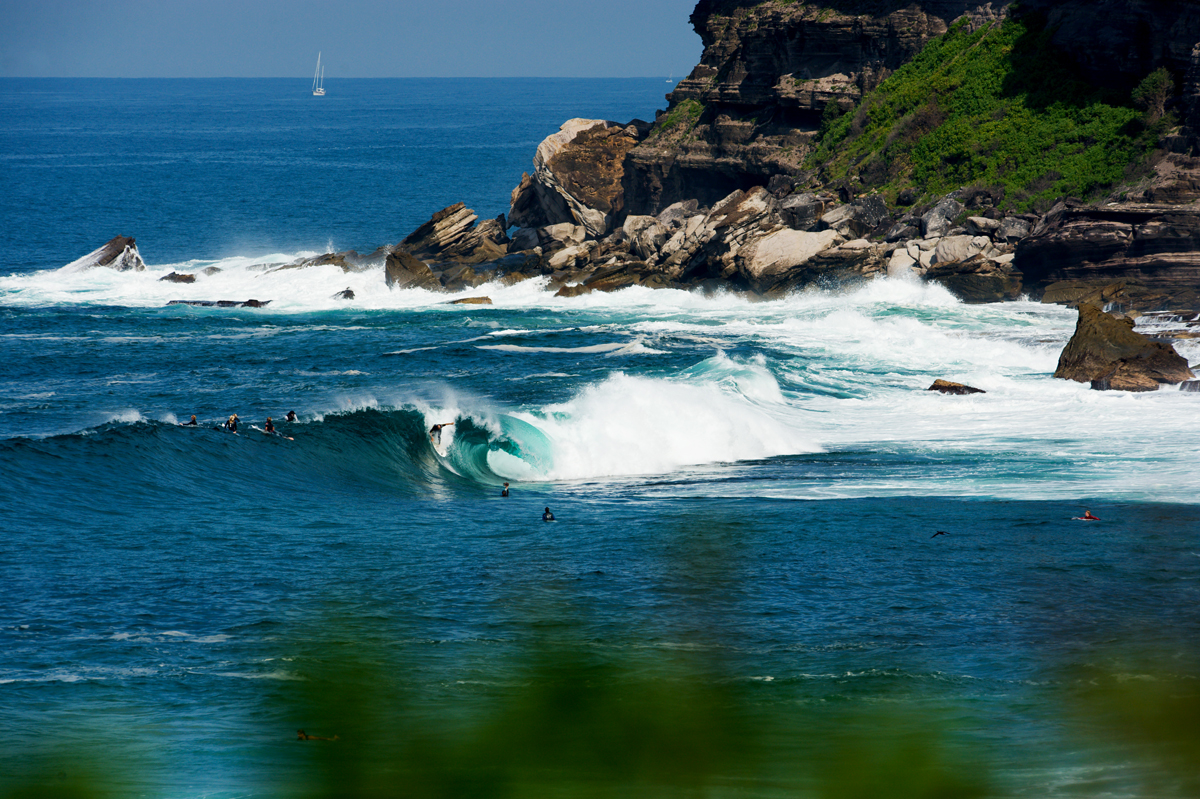
(Picture shows surfing at Avalon Beach, Sydney; photo from sydney.com)


Top 100 Baby Names in Tasmania For 2014

05 Thursday Mar 2015

Posted by A.O. in Name Data

≈ 1 Comment

Tags

name trends, popular names

GIRLS

  1. Charlotte
  2. Sophie
  3. Ruby
  4. Mia
  5. Isla
  6. Grace
  7. Amelia
  8. Matilda
  9. Olivia
  10. Lucy
  11. Ella
  12. Evie
  13. Ava
  14. Emily
  15. Zoe
  16. Chloe
  17. Isabella
  18. Sophia
  19. Lily
  20. Evelyn
  21. Abigail
  22. Stella
  23. Willow
  24. Esther
  25. Sienna
  26. Layla
  27. Holly
  28. Scarlett
  29. Madison
  30. Elsie
  31. Isabelle
  32. Alexis
  33. Bella
  34. Maddison
  35. Violet
  36. Ellie
  37. Imogen
  38. Harper
  39. Olive
  40. Eliza
  41. Emma
  42. Molly
  43. Georgia
  44. Elizabeth
  45. Hannah
  46. Sarah
  47. Mackenzie
  48. Lola
  49. Addison
  50. Madeline
  51. Phoebe
  52. Savannah
  53. Ariana
  54. Eleanor
  55. Piper
  56. Hazel
  57. Skyla
  58. Lillian
  59. Freya
  60. Jessica
  61. Alice
  62. Frankie
  63. Ivy
  64. Daisy
  65. Annabelle
  66. Poppy
  67. Tilly
  68. Aria
  69. Rose
  70. Summer
  71. Eden
  72. Maggie
  73. Billie
  74. Eva
  75. Indiana
  76. Heidi
  77. Millie
  78. Mikayla
  79. Amber
  80. Brooke
  81. Lilly
  82. Josie
  83. Nevaeh
  84. Bonnie
  85. Claire
  86. Zoey
  87. Isabel
  88. Mila
  89. Taylor
  90. Josephine
  91. Claudia
  92. Amy
  93. Anna
  94. Eve
  95. Audrey
  96. Samantha
  97. Chelsea
  98. Lexi
  99. Eloise
  100. Mabel
BOYS

  1. Oliver
  2. Jack
  3. William
  4. Mason
  5. Thomas
  6. Lachlan
  7. Max
  8. Logan
  9. Noah
  10. Charlie
  11. Jacob
  12. Harrison
  13. Henry
  14. Ethan
  15. Jackson
  16. Samuel
  17. Cooper
  18. Liam
  19. Xavier
  20. George
  21. Harry
  22. Nate
  23. Edward
  24. Eli
  25. Benjamin
  26. Lucas
  27. Riley
  28. Hunter
  29. Hudson
  30. Toby
  31. James
  32. Lincoln
  33. Archie
  34. Alexander
  35. Elijah
  36. Felix
  37. Flynn
  38. Angus
  39. Levi
  40. Oscar
  41. Bailey
  42. Caleb
  43. Archer
  44. Leo
  45. Blake
  46. Patrick
  47. Ryan
  48. Seth
  49. Hamish
  50. Sebastian
  51. Zachary
  52. Daniel
  53. Jayden
  54. Lewis
  55. Joshua
  56. Finn
  57. Fletcher
  58. Jaxon
  59. Jake
  60. Tyler
  61. Luca
  62. Joseph
  63. Hugo
  64. Ryder
  65. Chase
  66. Dylan
  67. Owen
  68. Robert
  69. Isaac
  70. Connor
  71. Hayden
  72. Alex
  73. Jett
  74. Brock
  75. Jasper
  76. Ollie
  77. Cameron
  78. Michael
  79. Christopher
  80. Aiden
  81. Abel
  82. Jesse
  83. Zander
  84. Declan
  85. Sonny
  86. Nathaniel
  87. Darcy
  88. Beau
  89. Carter
  90. Reuben
  91. Maxwell
  92. Arthur
  93. Austin
  94. Spencer
  95. Billy
  96. Hugh
  97. Harley
  98. David
  99. Nicholas
  100. Joel

GIRLS

Biggest Risers
Ariana (+82 at least), Hazel (+79 at least), Skyla (+78 at least), Freya (+76 at least), Frankie (+73 at least), Aria (+67 at least), Rose (+66 at least), Abigail (+53), Lola and Tilly (+46)

Biggest Fallers
Stephanie (-80 at least), Florence (-77 at least), April (-68), Jasmine (-67 at least), Madeleine (-64 at least), Bronte (-60 at least), Lacey (-60), Harriet (-56 at least), Rubi (-49 at least)

New
Ariana, Hazel, Skyla, Freya, Frankie, Aria, Rose, Billie, Mikayla, Taylor, Josephine, Claudia, Anna, Samantha, Lexi

Gone
Stephanie, Florence, Maya, April, Jasmine, Madeleine, Bronte, Harriet, Hayley, Rubi, Zara, Charli, Ebony, Kaylee, Abbie, Abby, Annabel, Charlie, Dakota

BOYS

Biggest Risers
Patrick (+62 at least), Finn (+52 at least), Felix (+51), Leo (+45), Seth (+44), Robert (+40 at least), Luca (+39), Brock (+34 at least), Bailey (+34), Hugo (+33)

Biggest Fallers
Bentley (-56 at least), Charles (-55 at least), Jasper (-53), Luke (-52 at least), Jobe (-45 at least), Jordan (-44 at least), Tyson (-40 at least), Hamish (-38), Mitchell (-36 at least), Parker (-35 at least)

New
Patrick, Finn, Robert, Brock, Ollie, Cameron, Christopher, Aiden, Abel, Zander, Sonny, Carter, Arthur, Austin, Billy, Hugh, Harley, David

Gone
Bentley, Charles, Luke, Jobe, Jordan, Tyson, Mitchell, Parker, Ari, Braxton, Koby, Matthew, Adam, Campbell, Zane, Elliot, Heath, Kai, Kaiden, Louie

Note: Because of their small population size, Tasmania’s Top 100 is most of its complete data. For the same reason, movement up and down the chart is extremely volatile.

Name Update: Welcome Archer and Cleo’s Sister!

04 Wednesday Mar 2015

Posted by A.O. in Name Updates

≈ 1 Comment

Tags

choosing baby names, sibsets


Edie

Lydia and Oliver weren’t planning on more children after they had Archer and Cleo – but then they received a delightful surprise, with the news that they would be having another girl. Although lots of names were up for discussion, the two front runners were Edie and Quinn, and Lydia wrote in to the blog to ask what people thought of their choices.

The baby arrived early this year, and they chose the name fairly easily. The middle name was going to be Joy, but Oliver didn’t like that, and he made a suggestion that Lydia really liked, so her name is

EDIE FLORENCE,

little sister to Archer and Cleo.

The only issue has been is that Edie was born with health problems that required emergency medical intervention, and has needed a lot of care in hospital. With so many doctors and nurses reading her name, Lydia is frustrated that they often mis-read it, and call her little girl “Eddie”. She is thinking of changing the spelling to Eadie to make the pronunciation more obvious. Apart from that, she is absolutely thrilled with Edie’s name, and of course, absolutely thrilled with her daughter, who has proved such a tough little fighter.

Congratulations to Lydia and Oliver, and may their little Edie Florence continue to grow and flourish as much her name suggests. It’s a gorgeous name, and isn’t the sibset of Archer, Cleo and Edie adorable? Blog readers voted Edie as their favourite choice for the baby, so I’m sure this will receive wide approval.

Celebrity Baby News: Robyn Lawley and Everest Schmidt

03 Tuesday Mar 2015

Posted by A.O. in Celebrity Baby News

≈ Comments Off on Celebrity Baby News: Robyn Lawley and Everest Schmidt

Tags

celebrity baby names

1412890200849_wps_10_Robyn_Lawley_posts_photos

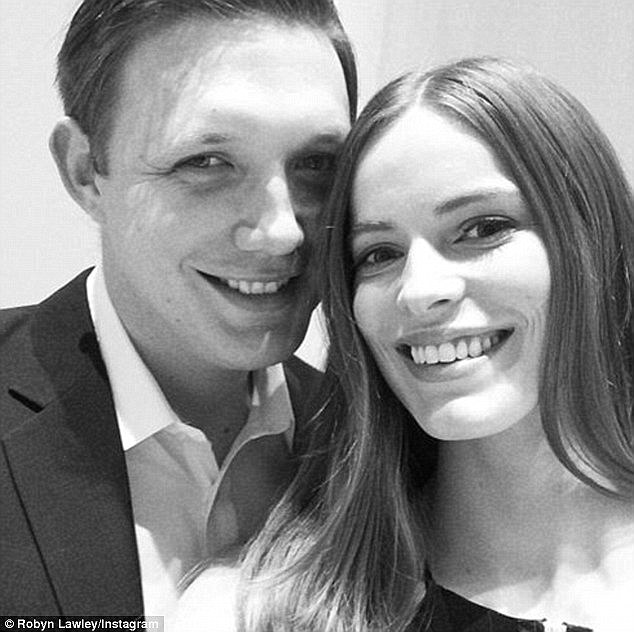
Supermodel Robyn Lawley, and her fiancé Everest Schmidt, welcomed their first child on February 26 and have named their daughter Ripley.

Robyn has been modelling since she was a teenager, and has been signed with a plus-size modelling agency since she was 18. She has appeared on front covers of Dolly, French Elle, Revue des Modes, French Marie Claire, Vogue Italia, Vogue Australia, and Madison Magazine. She has walked catwalks all over the world, including New York, Sydney and Milan, and has appeared in advertisements for plus-sized and mainstream fashion brands; she was the first plus-sized model to be used in in-store advertising for Ralph Lauren. Robyn was photographed by Danish fashion photographer Kenneth Willardt for a fine art exhibition in London called Size Does Matter. Early this year, Robyn became the first plus-size model to be featured in Sports Illustrated‘s annual swimsuit edition, and she has her own swimwear line. She has a successful food blog called Robyn Lawley Eats, which led to a cookbook.

Everest is a New York lawyer, and after living in New York City together for four years, he and Robyn have recently moved to California.

← Older posts
Newer posts →

Enter your email address to follow this blog

Categories

Archives

Recent Comments

A.O.'s avatarwaltzingmorethanmati… on Zarah Zaynab and Wolfgang…
Madelyn's avatarMadelyn on Zarah Zaynab and Wolfgang…
JD's avatardrperegrine on Can Phoebe Complete This …
A.O.'s avatarwaltzingmorethanmati… on Rua and Rhoa
redrover23's avatarredrover23 on Rua and Rhoa

Blogroll

  • Appellation Mountain
  • Baby Name Pondering
  • Babynamelover's Blog
  • British Baby Names
  • Clare's Name News
  • For Real Baby Names
  • Geek Baby Names
  • Name Candy
  • Nameberry
  • Nancy's Baby Names
  • Ren's Baby Name Blog
  • Sancta Nomina
  • Swistle: Baby Names
  • The Art of Naming
  • The Baby Name Wizard
  • The Beauty of Names
  • Tulip By Any Name

RSS Feed

  • RSS - Posts

RSS Posts

  • Celebrity Baby News: Melanie Vallejo and Matt Kingston
  • Names from the TV Show “Cleverman”
  • Can Phoebe Complete This Sibset?
  • Zarah Zaynab and Wolfgang Winter
  • Baby, How Did You Get That Name?
  • Celebrity Baby News: Media Babies
  • Celebrity Baby News: Adelaide Crows Babies
  • Celebrity Baby News: Chris and Rebecca Judd
  • Names at Work: Name News From the World of Business and Employment
  • Celebrity Baby News: Sporting Round Up

Currently Popular

  • Celebrity Baby News: Toby Allen and Darren Weller
  • Rare Boys Names From the 1950s
  • The Top 100 Names of the 1940s in New South Wales
  • Celebrity Baby News: Deborah Knight and Lindsay Dunbar
  • Girls Names From Stars and Constellations

Tags

celebrity baby names celebrity sibsets english names famous namesakes fictional namesakes honouring locational names middle names name combinations name history name meaning name popularity name trends nicknames popular names saints names sibsets surname names twin sets unisex names

Create a free website or blog at WordPress.com.

Privacy & Cookies: This site uses cookies. By continuing to use this website, you agree to their use.
To find out more, including how to control cookies, see here: Cookie Policy
  • Subscribe Subscribed
    • Waltzing More Than Matilda
    • Join 517 other subscribers
    • Already have a WordPress.com account? Log in now.
    • Waltzing More Than Matilda
    • Subscribe Subscribed
    • Sign up
    • Log in
    • Report this content
    • View site in Reader
    • Manage subscriptions
    • Collapse this bar
 

Loading Comments...