
• About
  • Best Baby Names
  • Celebrity Baby Names
  • Celebrity Baby Names – Current
  • Celebrity Baby Names – Past
  • Featured Boys Names
  • Featured Girls Names
  • Featured Unisex Names
  • Links to Name Data
  • Waltzing on the Web

Waltzing More Than Matilda

~ Names with an Australian Bias of Democratic Temper

Waltzing More Than Matilda

Monthly Archives: September 2014

Popular Here, There and Everywhere: Baby Names That Travel Well

07 Sunday Sep 2014

Posted by A.O. in Naming Issues

≈ 8 Comments

Tags

Arabic names, Behind the Name, Essential Baby, famous namesakes, international name trends, Nancy's Baby Names, popular names, Russian names, short forms, Turkish names
images

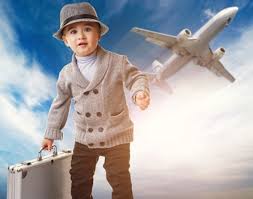
Happy Father’s Day! Because dads mean the world to us, today we’ll be looking at names that are popular in many parts of the world.

While some people shy away from popular names, there’s a lot to be said for having a name that is familiar in many countries. It makes travel and working overseas that little bit easier, and if you have a particular cultural background, it’s nice to know relatives in your country of origin will be easily able to understand your child’s name. Even if your child never leaves Australia’s shores, it’s a global village, and they will most likely meet, study, and work with people who have come here from other countries.

To me, a name with high international recognition needed to be popular in as many regions as possible, so that as a mimimum, it needed to be Top 100 in the English-speaking countries of Australia, New Zealand, England/Wales, Scotland, Northern Ireland, Ireland, Canada, and the USA. It also needed to be popular in Western Europe, Eastern Europe, and Northern Europe (Scandinavia).

I’ve included common and popular international variants of names, as long as I thought an English-speaker could easily identify them, and short forms as well. You need to remember that even in cases where the name is spelled identically, it probably won’t be said in exactly the same way, but most people are fine with that. In many countries, my name is said AHN-ah, rather than AN-a, and to me this is not only perfectly comprehensible, but makes my name sound warmer and more exotic.

International name data came from Behind the Name, Essential Baby, and Nancy’s Baby Names.

BOYS

Alexander/Alexandar/Aleksander
I have treated these variants as the same name, because certain countries regard them so in their popularity charts. This means that Alexander is popular in the English-speaking world, as well as in Western Europe, including Austria and the Netherlands. It is a favourite in Eastern Europe, solidly popular across most of Scandinavia, and a familiar name in South America. Alexander is Top 10 in Belarus, Bulgaria, Germany, Iceland, Malta, Norway, Scotland, Sweden, and the USA, and most popular in Russia, where it is #2. So far so good, but what makes Alexander such an international winner is the widespread popularity of its short forms and variants. Just look at Alex, which is popular in Australia, Belgium, Bulgaria, Czech Republic, England/Wales, Hungary, Ireland, New Zealand, Northern Ireland, Scotland, Slovenia, South America, Spain, and Sweden, and Top 10 in Armenia and Catalonia, while Xander is popular in Belgium. Alejandro is popular in Catalonia and South America, and Top 10 in Spain. Alexandre is popular in Belgium and France, and Alessandro Top 10 in Italy and Switzerland. Further east, Alexandru is Top 10 in Moldova, while Iskander and Eskandar are familiar names in Iran and Arabic countries. Credit Alexander the Great, who conquered the known world more than 2000 years ago, and whose name is famous in both east and west.

Daniel
As well as being popular in the English-speaking world, all-rounder Daniel is popular right across Europe, where it performs well in Eastern Europe, and is Top 100 in every Scandinavian country. It’s also a popular name in South America. Daniel is Top 10 in Iceland, Ireland, Latvia, Moldova, Northern Ireland, Russia, Scotland, South America, and the USA, and is the #1 name in Spain. Short form Danny is popular in Ireland and Northern Ireland, Danijel is popular in Croatia, while Daniil, the Russian form, is Top 10 in Belarus.

David
David is popular in the English-speaking world, and widely across Western Europe, including Belgium, France, and the Netherlands. It also does well in Eastern Europe, and is popular in two Scandinavian countries, Norway and Sweden. Furthermore, it is a popular name in South America. David is Top 10 in Austria, Croatia, Hungary, Spain, and Switzerland, and most popular in Moldova and Brazil, making #2 in two hemispheres. When it comes to international variants, Dawid is popular in Poland, Davide is Top 10 in Italy, while Davit is the #1 name in Armenia.

Adam
Being the oldest name in the Book does give you widespread recognisability, which is why you can find Adam fairly evenly through the English-speaking world, and in many countries of Western, Eastern, and Northern Europe. Adam is Top 10 in Belgium, the Czech Republic, Hungary, and Ireland, and is most popular in Malaysia at #3. The Turkish form Adem is popular in Turkey, and in Bosnia and Herzegovina.

Samuel
Samuel is popular in the English-speaking, and widely across Western Europe, including Austria, France, Malta, the Netherlands, and Spain. In Eastern Europe it’s popular in the Cezch Republic and Hungary, while in Scandinavia Samuel is popular in Finland, Norway, and Sweden. Samuel is Top 10 in New Zealand and South America as a whole, and most popular in Canada, where it is #5. Short form Sam is popular in Belgium, Ireland, the Netherlands, New Zealand, Northern Ireland, Scotland, and Sweden. Of its international variants, Samuele is Top 10 in Switzerland, and Samvel is Top 10 in Armenia.

Runners-up: Benjamin, Oliver, and Liam.

GIRLS

Sophia/Sofia
I have treated Sophia and Sofia as one name, since several countries do so when calculating their most popular names – including Australia. Sophia/Sofia is the queen of international names; poular around the globe, and familiar in a host of countries. As well as the English-speaking world, it is popular right across Europe, the whole of South America, and in Malaysia as well. Sophia/Sofia is a Top 10 name in Australia, Canada, Chile, Finland, Germany, Malaysia, Moldova, Norway, Spain, and Switzerland, and is the #1 name in Brazil, Denmark, Italy, Latvia, Russia, South America as a whole, and the USA. Furthermore, it has several international variants, such as Zsofia, which is Top 10 in Hungary, and Zofia, which is Top 10 in Poland. It sounds similar to the unrelated Arabic name Saafiya, giving it a very high recognition factor.

Emma
Emma is popular in the English-speaking world, and across the whole of Europe, including France, Germany, Italy, and Spain. It charts in several Eastern European countries and is Top 100 in every part of Scandinavia. It is also highly popular in South America. Emma is Top 10 in Austria, Canada, Denmark, Iceland, Ireland, Italy, Malta, South America as a whole, and the USA, and is # 1 in Belgium, Finland, France, Norway, and Switzerland. Its international variant Ema, often pronounced exactly the same way as Emma, is popular in Bosnia and Herzegovina, and the Czech Republic, and Top 10 in Croatia and Slovenia.

Anna
Popular in the English-speaking world, and in Western Europe, where it charts in France, Germany, Italy, the Netherlands, and Spain. Anna also does well in Scandinavia, and is a particular favourite in Eastern Europe. Top 10 in Armenia, Belarus, the Czech Republic, Germany, Hungary, Iceland, Latvia, and Russia, it makes #1 in Austria. The international variant Ana is popular in Bosnia and Herzegovina, Catalonia, Spain, and South America as a whole, and is Top 10 in Croatia and Slovenia. The many international variants and pet forms give this a high recognition factor, and there are several similar-sounding names in Arabic and Asian languages as well.

Ella
Ella is popular in the English-speaking world, and in Europe, including Austria, Belgium, the Netherlands, Croatia, the Czech Republic, Slovenia and Demark. It is Top 10 in Canada, Finland, Ireland, Northern Ireland, New Zealand, Norway, Scotland, and Sweden, and #1 in Malta. The similar Ela, often pronounced the same way, is popular in Bosnia and Herzegovina, Croatia, and Slovenia, as well in Turkey, where it means “hazel-coloured, honey-brown”.

Eva
Eva is popular in the English-speaking world, and in several European countries, including Austria, France, the Netherlands, Spain, Croatia, Iceland, and Norway. It is a Top 10 name in Northern Ireland and Switzerland, and most popular in Slovenia, at #2.

Runners-up: Mia, Olivia, and Sarah/Sara

Looking at the names, you can see certain themes at work. The big tip to finding an internationally popular girls name seems to be something short and simple that is easily pronounced in a variety of languages and accents. For boys’ names, the Bible is a unifying factor. In her recent interview at Baby Names from the Bible, Clare noted that one of the appealing things about biblical names is that so many people around the world share in a tradition of names handed down for thousands of years.

POLL RESULTS: People’s favourite international names were Alexander and Anna. Alexander received more than 50% of the vote, while Anna received more than 30% of the vote.

Celebrity Baby News: Dan and Marni Ewing

06 Saturday Sep 2014

Posted by A.O. in Celebrity Baby News

≈ 2 Comments

Tags

birth notices, celebrity baby names, name trends

ImageResizer

Actor Dan Ewing, and his wife Marni, welcomed their first child recently, and have named their son Archer Grason.

Dan has had small parts in movies, such as Superman Returns, and been in a few musicals, including playing Judas in Jesus Christ Superstar. He has had roles in several television shows, including Blue Water High, Rescue: Special Ops, and Power Rangers RPM. However, he is best known for his starring role on soap opera Home and Away, where he played bad boy gang member Heath Braxton. After Dan joined the show in 2011, the name Braxton soared in popularity, and I have also seen quite a few Heaths in birth notices. This was his second time on the show – he had a guest role as Reuben Humphries in 2007. Dan left Home and Away this year, with his last on-screen appearance in July. Since then, he has gone to live in the US to pursue further career opportunities. Marni and Dan were married in 2012.

Opal-May and Tierre

05 Friday Sep 2014

Posted by A.O. in Birth Announcements

≈ 10 Comments

Tags

name combinations, sibsets

opals_s8

Girls
Annabeth Joanne
Armani Maeve (Asher)
Aurah Breeze
Daisy Celestial
Elkie Willow (Pippa)
Emily Athena (Zoe)
Esther Kathleen
Evangeline Nancy (Jude)
Gracie Diana
Greta Rose (Ava)
Hishira Jeneth
Isla Beatrice (Violet, Odin, Ryder)
Jennifer Phillipa
Lucy Pearl (Campbell, Ivy)
Millicent Peta (Harper)
Opal-May Evelynn
Polly Phyllis Miller (Marley)
Primrose Mollie (Iris, Audrey)
Sabannah Natalie (Jayla, Bella, Abel)
Sage Hazel
Scarlet Imogen Poppy (Hunter, Ryder, Lucas)
Stevie Lois
Tierre Margaret (James, William, Savanah)
Vivien Grace
Willow Jade

Boys
Anderson Joe
Beau Maxwell
Benjamin Darwin (Maximilian, Matilda)
Cruz Zion (Starr, Phoenix)
Curtis Parker (Scarlett, Miller)
Deakin Francis (Zade, Logan)
Edgar John
Ezekiel Mark
Fyfe Lewis
Henry Roland (William)
Jaigo (Tully, Archie, Kane, Ryan, Taite)
Jimmy Frank (Billy, Annie)
Jonte Quinn (Kaylan, Ashtyn)
Lachie Hedley Scott (Zach)
Lane Bailey
Leon Blake
Lou Jude
Maverick James Clinton
Noah Logan Gino
Oscar Hugo Maximus – surname is Harm (Charlie)
Percy Jobe (Kiarn, Ziggy, Jagger)
Piers Frederick
Quade Henry (Cedella, Solly)
Roy Patrick
Seth Lyel

(Photo shows opals in Coober Pedy, South Australia)

Famous Name: Opal

03 Wednesday Sep 2014

Posted by A.O. in Famous Names

≈ 7 Comments

Tags

english names, gemstone names, historical records, name history, name meaning, names of sporting teams, nature names, patriotic names, products with human names, rare names, vocabulary names

opalcard-westernsyd_760x428

Monday was the first day of spring, but Sydneysiders weren’t focused on Wattle Day: for them it was Opal Day. The Opal card is the automated ticketing system smartcard for Sydney public transport, trialled for two years, and replacing a confusing system of fourteen different paper tickets. September 1 was the official date that paper tickets would be phased out.

All other major Australian capitals have automated public transport ticketing systems, but for some reason the Opal card was very hard to implement, and getting it off the ground took twenty years and defeated eight successive governments. It was gloomily warned that the new system would cause complete chaos, while conspiracy theorists were sure it was designed to increase fares, or even part of a police state surveillance plot.

However, the roll-out went quite smoothly on the morning of September 1. There weren’t massive queues, or gates needing to be locked against hordes of angry commuters, and people who hadn’t ordered an Opal card online simply bought one from a kiosk. Some people found the Opal card was actually saving them money. Its success means a sigh of relief from Transport Minister Gladys Berejiklian.

The Opal card is based on Hong Kong’s Octopus card, and London’s Oyster card. The name Octopus suggests that you can travel in multiple directions, like the limbs of an octopus, while Oyster is an allusion to “the world is your oyster”. Although it starts with the same letter, Opal doesn’t have any clever hidden meaning to it – the opal is our national gemstone, while the black opal is the state gemstone of New South Wales.

Opal is a precious gemstone that is one of the most spectacular; a single stone can flame intensely with every colour of the spectrum, out-shining even the diamond. The highest quality specimens will sell for the same amount as the most valuable diamonds, rubies and emeralds, although such opals are very rare.

Opal is a common substance, found throughout the world, often of a milky white appearance (opal miners call it potch). Common opal can be pretty once cut and polished, but it is not valuable. Precious opal has what is called “play-of-colour” – that stunning multi-coloured iridescence.

97% of the world’s precious opal is produced in Australia, and Australia’s opal fields are larger than all those in the rest of the world combined. What makes Australian opals so valuable is not just their brilliance, but their stability. In other countries, opal is often found in volcanic rock and has high water content, meaning it tends to crack during cutting and polishing. In Australia, opals are found in the outback desert, once a vast inland sea.

South Australia is the major source of opal, producing more than 80% of the world’s supply. The town of Coober Pedy is mainly associated with opal mining, and the world’s largest and most valuable opal, the “Olympic Australis” was found here in 1956 (the year Australia hosted the Olympic Games for the first time, hence its name).

Lightning Ridge in New South Wales is the main source of black opal, the most valuable type of Australian opal. Despite their name they are not black, but have a predominantly dark background, so the rainbow colours of the opal stand out more strongly.

Boulder opal is the second-most valuable type of opal, where thin veins of precious opal fill cracks in ironstone boulders. The dark backing of the ironstone means that the opal shines in a similar way to a black opal. Boulder opal is found in Queensland, including the town of Winton.

The precious gemstone has given its name to our national women’s basketball team, known as The Opals. They are an internationally successful team, and Lauren Jackson plays for them.

According to official sources, Indigenous Australians called opal “fire of the desert”, and their legends tell that the opal’s colour was created when a rainbow touched the earth. Like other gemstones, opals had spiritual value as that which a spirit ancestor left behind as a sign of his or her presence. They could thus be imbued with that ancestor’s powerful spiritual energy.

The word opal comes from the Roman name for the gemstone, opalus. It is believed this is most likely from the Sanskrit word upalus, meaning “gem, jewel”. The Romans believed the opals they bought were from exotic India, but this was an ancient marketing ploy, as they were really from where Hungary is today. The Romans valued opals highly, and saw them as symbols of hope and innocence.

In the Middle Ages, opals were believed to be very lucky, and thought vital for good eyesight. Blonde women wore opals in the belief it would keep their hair colour bright, and one odd superstition was that you could make yourself invisible by holding an opal wrapped in fresh bay leaves. I imagine some embarrassment must have been caused to anyone who tried this!

The modern superstition that opals are unlucky appears to come from Sir Walter Scott’s 1829 novel, Anne of Geierstein – even though the novel never actually says that there is anything unfortunate about the gemstones. In the story, a mysterious sorcerer’s daughter named Lady Hermione, who always wore opals in her hair, appears to be under some sort of enchantment.

When a few drops of holy water are sprinkled on her head, they quench the radiance of the opals, and Hermione faints. She is carried to her room for a lie down, and the next day nothing is found of her but a heap of ashes on her bed. Later it turns out the opal turned pale to warn its owner of impending doom, not because it was cursed.

Nonetheless, the novel does seem to have affected people’s feelings about opals, because in the year of its publications, opal prices plunged, and the European opal market took many years to recover. It is also thought diamond cartels helped spread these rumours, because the discovery of high quality opals in Australia were a distinct threat to their livelihood. Hungarian opal miners told people that Australian opals must be fakes, as they were certainly too good to be true!

Queen Victoria swam against the superstitious tide, for she loved opals and wore them throughout her reign. She gave them as gifts to her daughters and friends, so that opals became highly-regarded and fashionable, thanks to the British court. The royal family have a fine collection of opals, including the “Andamooka opal” from South Australia, presented to Elizabeth II in 1954.

Opal was used as a girl’s name as early as the 16th century, but became much more common in the Victorian era, when gemstone names were in fashion. In Australia records, the name Opal is particularly associated with South Australia, and in particular, areas where opals are mined.

Although our national floral emblem gets a reasonable amount of use, our national gemstone is very rare as a name. Yet it is really rather beautiful, and its O initial even seems fashionable. Short and simple, it has a hip and quirky vibe, while the stunning gemstone gives it a very patriotic feel. Retro Ruby has climbed and climbed – could Opal have a better chance in its wake?

POLL RESULTS
Opal received an outstanding approval rating of 86%, making it one of the highest-rated names of 2014, and tying with Hope to become the favourite girls name in the Famous Name section. People saw Opal as an unusual and refreshing choice (26%), hip and quirky (25%), beautiful or pretty (15%), and sweet and simple (15%). However, 5% thought of it as an “old lady name”. Nobody thought that the name Opal seemed unlucky.

(Photo of Opal card from NSW government website)

How to Dot Com Your Baby Name, and Other Name Stories in the News

02 Tuesday Sep 2014

Posted by A.O. in Names in the News

≈ 3 Comments

Tags

Awesome Baby Name, domain names, Facebook, Game of Thrones names, name data, name meaning, name studies, name trends, nicknames, popular names, royal baby names, Twitter

Modern Baby Names

Mastering Your Baby’s Domain
Baby names in the digital age have become so complicated that some parents now make sure their child has their own e-mail account, Twitter handle, Facebook page, and website before they are born.

And since it gets frustrating finding the baby name you want to register has already been taken, you can do a sort of “reverse look up”, where you use a website that will tell you which names are still available. Such a website is the misleadingly-titled Awesome Baby Name, which suggests names based on domain availability.

Naturally I had to give this a try, and it’s easy enough. You type in your surname, and say you want a boy, girl, or “whatever” name, and receive a list of ten names that haven’t been taken yet. If you don’t like the ten they offer (and you probably won’t), they offer to sell you another 100 names for $3. You would be crazy to actually make this purchase, since every time you use it you get another ten names, and by simply clicking it again and again would soon find 100 names all on your own for free.

The site promises to find you the “very best matches” possible, but in fact it’s just a random list of names that may or may not sound even half decent when matched with your surname. The names have a very American bias – I was offered quite a lot of Hispanic names, and names currently trending in the US, like Jayceon. I’m not sure how the algorithm works, but I tried it with fifteen very different surnames, and each one offered the name Colton.

I was quite pleased by most of the boys names I was offered (except Colton, a name I now utterly loathe from having it thrust on me so many times): Alistair, Axel, Declan, Jude, Matthias, Maximilian, and Thaddeus seemed nice. Girls names were uniformly terrible. They were either dated, like Megan and Julie, very modern like Kyra and Brylee, or variant spellings, like Kaitlynne and Brooklynn. Maybe all the good girls’ names are already taken?

The “whatever” button is a complete waste of time: it doesn’t give you unisex options, as I thought, but just five girls names and five boys names.

Our surname is relatively uncommon, so that almost every name could be matched with it and still not be registered, and yet I wasn’t offered even one Top 100 name. Furthermore, different surnames didn’t get you a different range of names: I was offered relatively uncommon names, no matter if I said I was named Smith or Hetherington-Smitherswaithe. I wonder if the surname has been factored in at all?

The About on the page says it started as a joke, but doesn’t say whether it still is one or not, or how funny the joke turned out to be. I rate it as Mildly Amusing.

Names at Work
Could your name be holding back at work, muses Kochie’s Business Builders in Yahoo Finance? Short answer, from researchers at the University of Melbourne, is yes. They found that people with simple, easy to pronounce names had an advantage in the workplace, and would be more likely to be elected to political office.

Dr Simon Laham, from the University of Melbourne’s School of Psychology, said research findings revealed that it wasn’t the length of a name, or how “foreign” it seemed, or how unusual (or even made up) it was, but its pronounceability that made the difference.

It’s quite interesting, because we’re often told that names have to be familiar, recognisable, “non-ethnic”, or short for people to feel comfortable with them, but it seems that isn’t really that important, as long as they can intuitively guess the pronunciation. This might be something to bear in mind when choosing names.

Worried about your hard to pronounce name and how it’s ruining your career? KBB suggests using a nickname or short form of your name for easy communication, but sensibly comments that your skills and experience are far more important. An article on names which says your name is less important than who you are and what you do! Let’s hope this trend continues.

Capital, By George
There was royal baby name spotting during the royal visit in Canberra in April. The Canberra Times had a light-hearted look at a few baby Georges around town, including a George Louis, a George Middleton, and a Giorgio. The name George appears to be on the rise in the ACT, with 14 registrations in 2012 climbing to 22 in 2013. Between Prince George’s birth and his visit to Australia, 15 Georges were registered in our capital. What that means for the 2014 data is anyone’s guess.

Mothers of Dragons in the West
And those other royal names … Perth Now tells us that baby names from Game of Thrones are rising in Western Australia. Unfortunately, no actual data to support this plausible theory, but a couple of anecdotes instead. Fascinated by the mother who chose Khaleesi for her daughter in 2012, because “it had some sort of history”. I guess almost every name has some sort of history … in this case, a purely imaginary one! The meaning of “queen” was also a drawcard.

Names All Over the World
The Essential Baby website has got a little map of popular names from around the world. It doesn’t cover every country, but it does look at several regions. Africa and the Middle East are completely missing (I guess they have bigger issues than putting out birth name data). Worth a look to see how different the Top Tens are around the world.

Newer posts →

Enter your email address to follow this blog

Categories

Archives

Recent Comments

A.O.'s avatarwaltzingmorethanmati… on Zarah Zaynab and Wolfgang…
Madelyn's avatarMadelyn on Zarah Zaynab and Wolfgang…
JD's avatardrperegrine on Can Phoebe Complete This …
A.O.'s avatarwaltzingmorethanmati… on Rua and Rhoa
redrover23's avatarredrover23 on Rua and Rhoa

Blogroll

  • Appellation Mountain
  • Baby Name Pondering
  • Babynamelover's Blog
  • British Baby Names
  • Clare's Name News
  • For Real Baby Names
  • Geek Baby Names
  • Name Candy
  • Nameberry
  • Nancy's Baby Names
  • Ren's Baby Name Blog
  • Sancta Nomina
  • Swistle: Baby Names
  • The Art of Naming
  • The Baby Name Wizard
  • The Beauty of Names
  • Tulip By Any Name

RSS Feed

  • RSS - Posts

RSS Posts

  • Celebrity Baby News: Melanie Vallejo and Matt Kingston
  • Names from the TV Show “Cleverman”
  • Can Phoebe Complete This Sibset?
  • Zarah Zaynab and Wolfgang Winter
  • Baby, How Did You Get That Name?
  • Celebrity Baby News: Media Babies
  • Celebrity Baby News: Adelaide Crows Babies
  • Celebrity Baby News: Chris and Rebecca Judd
  • Names at Work: Name News From the World of Business and Employment
  • Celebrity Baby News: Sporting Round Up

Currently Popular

  • Celebrity Baby News: Radio Babies
  • The Top 100 Names of the 1920s in New South Wales
  • Saturday Celebrity Sibset: A Taste of Scotland - Leigh McClusky and Simon Haigh
  • Girls Names From Stars and Constellations
  • Celebrity Baby News: Jacinta Allan and Yorick Piper

Tags

celebrity baby names celebrity sibsets english names famous namesakes fictional namesakes honouring locational names middle names name combinations name history name meaning name popularity name trends nicknames popular names saints names sibsets surname names twin sets unisex names

Create a free website or blog at WordPress.com.

Privacy & Cookies: This site uses cookies. By continuing to use this website, you agree to their use.
To find out more, including how to control cookies, see here: Cookie Policy
  • Subscribe Subscribed
    • Waltzing More Than Matilda
    • Join 517 other subscribers
    • Already have a WordPress.com account? Log in now.
    • Waltzing More Than Matilda
    • Subscribe Subscribed
    • Sign up
    • Log in
    • Report this content
    • View site in Reader
    • Manage subscriptions
    • Collapse this bar
 

Loading Comments...